

When did the side hustle stop being “extra” and start becoming the main event?
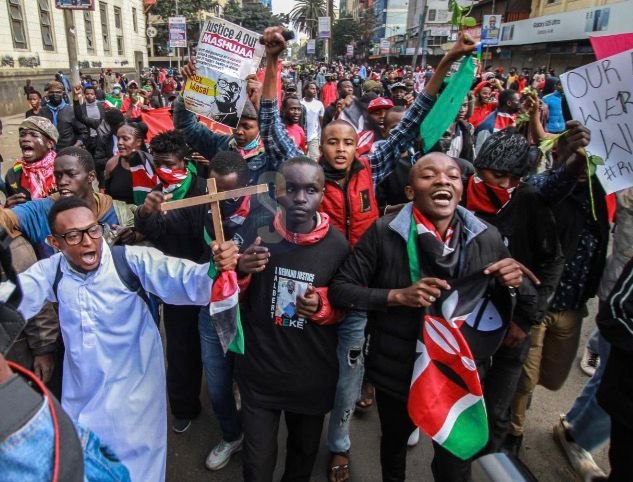
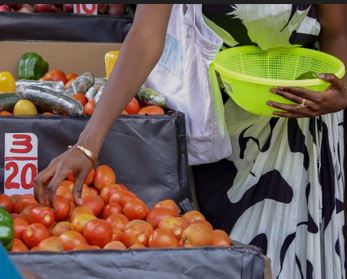
Walk through any estate, scroll through social media, or step into a matatu, and you will meet a nation trading, hawking, coding, reselling and riding all in pursuit of survival. The question is no longer whether Kenyans have side hustles, but whether side hustles have quietly become Kenya’s real job market.
Economist Charles Karisa believes the answer is largely yes. “I’d say yes,” he stated. “When you look at statistics from the Kenya Federation of Employers, only about 10 per cent of the workforce is in the formal sector. That leaves a huge percentage working outside it in the informal space.”
Official data supports this shift.
The Kenya National Bureau of Statistics (KNBS) Economic Survey released on May 6, 2025, consistently shows that the informal sector accounts for over 80 per cent of total employment in the country. In recent years, more than 90 per cent of new jobs created annually have come from the informal sector popularly known as juakali. Meanwhile, formal job growth has remained modest and has been unable to absorb the swelling labour force. Each year, over one million young Kenyans enter the job market.
“That’s a very huge number,” Karisa notes.
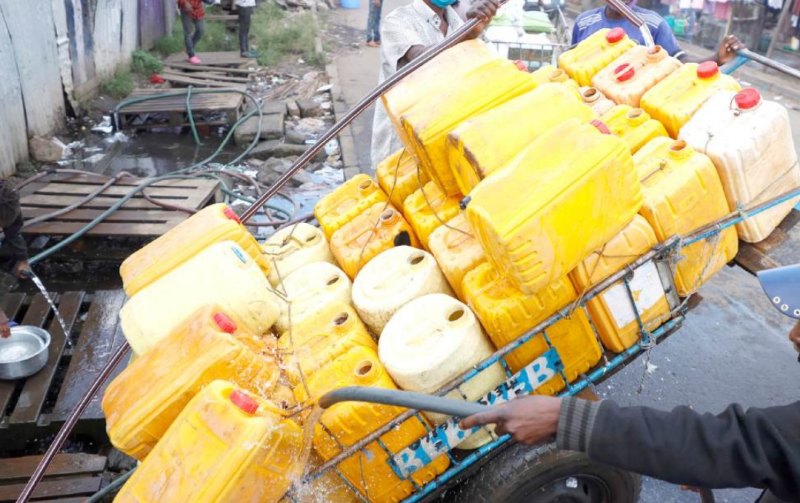
“Many of them do not have the necessary skills or access to higher education. The formal sector simply cannot absorb them.” The result? A generation improvising its own opportunities. From boda boda operators and online thrift sellers to freelance designers and urban farmers, Kenyans are crafting parallel economies.
For many, side hustles are no longer supplementary income streams but primary sources of livelihood. Is this surge driven by ambition or pressure? Karisa leans toward economic necessity.
“Kenyans have needs. They have dependents. They have to survive. We have no choice but to look for something to earn a living on a day-to-day basis,” he says.
Rising living costs, limited formal employment opportunities and a youthful population have converged to redefine work itself. What was once considered informal is now the backbone of the economy.
Yet, the growth of side hustles also raises policy questions: How can the government better support informal workers? Can access to credit, training and social protection be expanded? And crucially, can today’s side hustles evolve into tomorrow’s sustainable enterprises? As Kenya’s labour landscape shifts, one thing is clear: the hustle is no longer on the margins. It is the market.