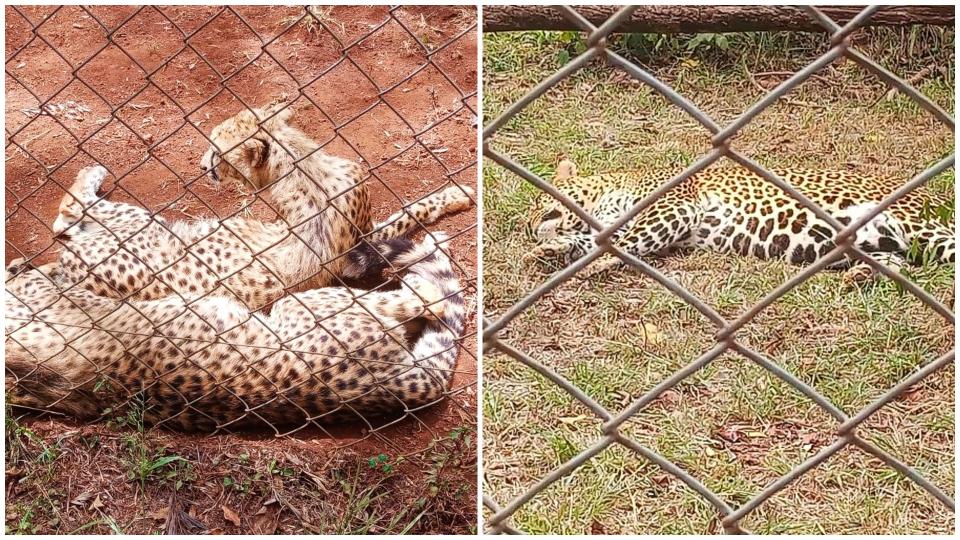



The ‘Big Five’ was a name given to the world’s most difficult wild animals to hunt on foot. The term originated during the colonial era in the 19th century, when hunters across Africa considered these animals the most dangerous and challenging to kill.
The Big Five include the lion, leopard, buffalo, rhino and elephant. For decades, these animals fell victim to hunting and poaching, contributing to the decline of several wildlife species across Africa. While all five animals were highly sought after, the rhino and elephant remained the most hunted due to the high demand for their horns and ivory tusks.
The elephant’s ivory tusks have long been used to make jewellery, ornaments and carvings across international markets, while rhinos were hunted for their horns, fuelled by myths that they held medicinal value, all at the expense of killing innocent animals. But while elephants were killed in larger numbers, rhinos paid an even steeper price.
By the late 1980s, poaching had pushed Kenya’s black rhino population to the brink. According to the Kenya Wildlife Service, the number of rhinos dropped from thousands to less than 400, putting them at a risk of reaching extinction.
Today, the numbers are slowly recovering after the government made an intentional decision years ago to put up measures that will conserve wildlife.
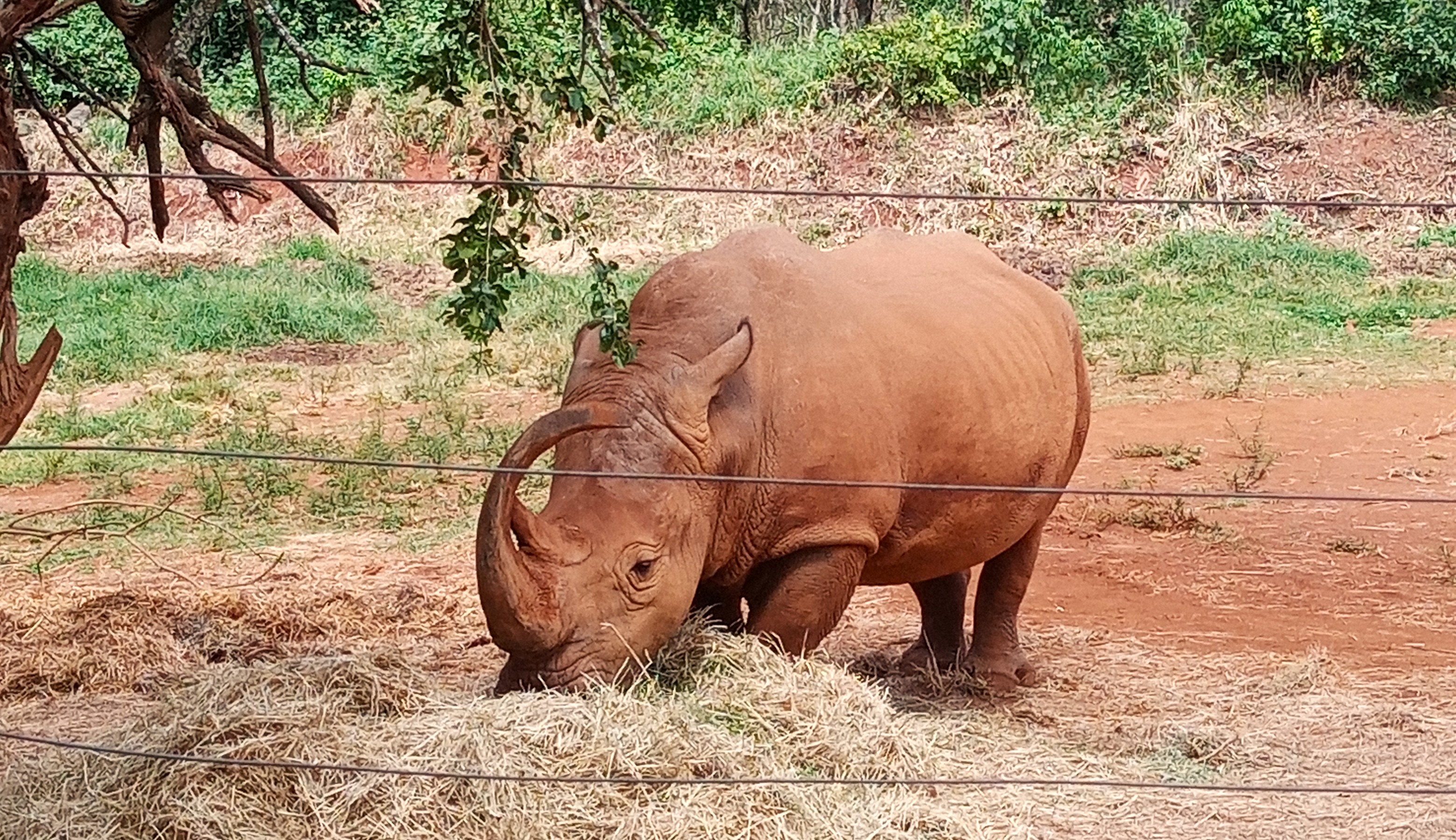
I cannot stop thinking about the rhino I once saw caged alone at the Nairobi Safari Walk. The moment felt quiet, heavy, and the rhino seemed almost withdrawn from the world around it. Questions ran through my mind. How did it end up here? Where are its parents? Was it rescued after an attack? Had it wandered away during migration?
The truth is, in Kenya, wildlife orphanages and conservation centres were established to protect vulnerable animals from poachers and human conflict. Some animals are rescued after being injured. Others are orphaned after their mothers are killed for ivory. Some get lost during a migration, and when young ones are left alone in this world, they are rescued and taken to a new home. Conservation centres.
Thinking about it is heartbreaking. But at least there exists humane individuals who sacrifice their time to shelter and take care of vulnerable animals as a full-time job. Rescue centres in Kenya include Sheldrick Wildlife Trust in Nairobi and Ol Pejeta in Nanyuki.
The Sheldrick Wildlife Trust is a global leader in elephant conservation and one of Africa’s most respected wildlife charities. It was founded in 1977 by Dame Daphne Sheldrick, who carried on her late husband’s vision of rescuing and rehabilitating orphaned elephants.
For someone living in Nairobi, it is quite easy to access Sheldrick Wildlife Trust. It is about 15km from the CBD, with an entrance fee of around Sh2,000 for Kenyan adults and Sh500 for Kenyan children.
For someone who would prefer a destination with a variety of animal species, Ol Pejeta Conservancy would be an ideal place for that. It is located at the heart of the Mount Kenya region in Nanyuki, where wildlife meets luxury.
Originally established as a colonial cattle ranch in the early 20th century, the conservancy has since transformed into one of Kenya’s leading wildlife conservation destinations. It is home to the Big Five and the world’s last two remaining northern white rhinos. Beyond its breathtaking landscapes and safari experience, Ol Pejeta offers visitors a rare opportunity to witness conservation efforts up close. Kenyan citizens pay Sh2,000 for adults, Sh1,000 for children and about Sh500 for students, for a day’s entry fee, making it an accessible destination for families, nature lovers and adventure seekers.
Apart from animal rescue centres deemed as conservation efforts, Kenya has also intensified anti-poaching measures through ranger patrols, public media campaigns against poaching and the use of technology as one of the biggest game changers in wildlife.
Artificial intelligence-powered thermal cameras, drones and wildlife tracking systems are now helping rangers detect poachers before they strike. According to the World Wildlife Fund, thermal cameras equipped with AI can identify human movement, vehicles and animals at night before sending instant alerts to rangers. The technology works by detecting heat signatures in darkness, fog or thick vegetation, allowing wildlife officers to monitor protected areas in real time.
In conservancies such as Ol Pejeta and Masai Mara, these systems have reduced poaching incidents. The results are beginning to show. According to the 2025 Economic Survey, Kenya’s rhino population rose from about 1,603 in 2020 to more than 2,100 in 2024.
Kenya’s wildlife story is beginning to change significantly. What once seemed like a losing battle against poaching is slowly turning into a story of resilience, recovery and hope, thanks to ordinary people working tirelessly behind the scenes to ensure that future generations still get to witness the beauty of Africa’s wildlife.