There is something profoundly cynical about a government
that compensates its victims while shielding its executioners.
On Monday, June
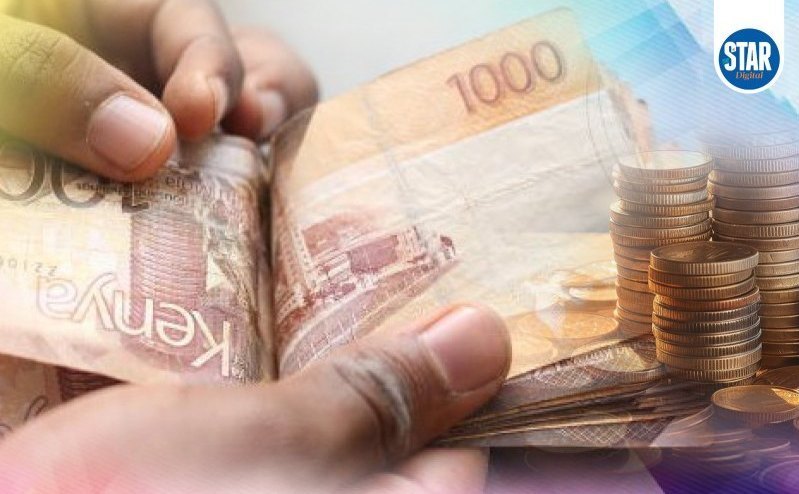
15, 2026, President William Ruto stood at State House and unveiled a Sh2 billion
compensation package for over 1,100 Kenyans killed, maimed, disappeared and
brutalised by the very security apparatus he commands.
He said the money could never adequately compensate for
lives lost and futures shattered. On that much, at least, he was right. A
mother who watched her son fall to a police bullet during a peaceful protest is
now being offered Sh2.5 million and told the matter is progressing toward
closure. Sh2.5 million for a life. That is not justice. That is a receipt.
And yet this entire exercise carries a weight the government
did not intend. The very existence of this framework is an admission — however
reluctant, however lawyered — that the state killed, tortured and disappeared
its own citizens for the crime of demanding better governance.
You do not
compensate people you did not harm. You do not create a reparations framework
for atrocities you did not commit. The state has now, by its own hand, entered
into the public record an acknowledgement of guilt.
That matters. But it also
obliges every Kenyan to ask the harder question the President's contrite tone
was designed to obscure: what happens to the people who pulled the triggers?
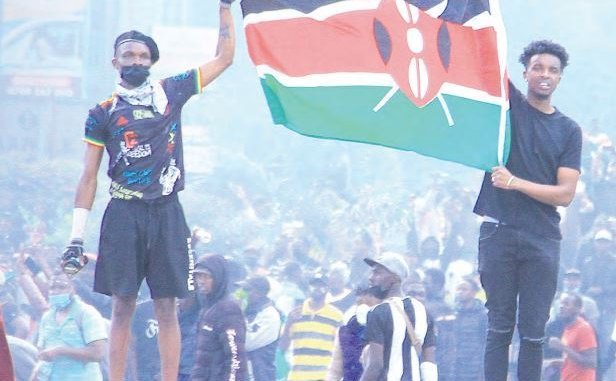
Because here is what we know. When young Kenyans took to the
streets in June 2024 to oppose a punitive finance bill, the state responded not
with dialogue but with bullets. What followed were months of abductions and
enforced disappearances — citizens plucked from their homes and streets, some
reappearing bruised and terrified, others never reappearing at all.
Since then,
every anti-government protest has been met with the same playbook:
disproportionate violence followed by official denial, followed now by the
farce of state-sponsored goonism that has reached even the sanctuary of the church.
This is the record of a government that treats democratic dissent as a threat
to be neutralised rather than a right to be protected.
And the more damning truth is how this compensation came
about. The President did not volunteer it. His first instinct was to create a
panel overseen by the very Interior ministry implicated in the abuses — a move
the KHRC rightly condemned as a whitewash.
It took a High Court ruling
declaring that panel unconstitutional to force the government's hand. Monday's
ceremony was therefore not an act of conscience. It was the consequence of
losing in court.
That is why I do not trust the timing, the framing, or the
motives. This has the unmistakable feel of managed crisis rather than genuine
reckoning. The dead are acknowledged, the families are offered money and the
government hopes the conversation ends there. But the perpetrators remain
unnamed. The trigger-happy officers remain in uniform.
The command structure
that authorised the violence remains untouched. No senior official has
resigned. No genuine prosecution has been announced.
The KHRC framework has
value, and I do not dismiss the work of those who fought for it. But no
framework, however well designed, can substitute for accountability. Reparation
without reckoning is apology without meaning.
The real test is not what the President said on that day. It
is what his government does tomorrow — whether the KHRC is genuinely empowered,
whether IPOA is strengthened, whether the officers responsible for
extrajudicial killings and enforced disappearances face genuine legal
consequences, and whether the culture of impunity that made all of this
possible is finally broken.
Without these steps, Monday's ceremony is not the
beginning of reform. It is a down payment on public silence.
I refuse to call it justice when the state pays for its
absolution in public while protecting its agents in private.

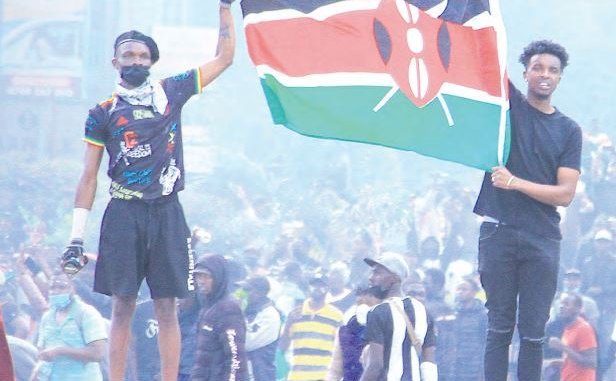 Gen Z protests on June 25, 2024