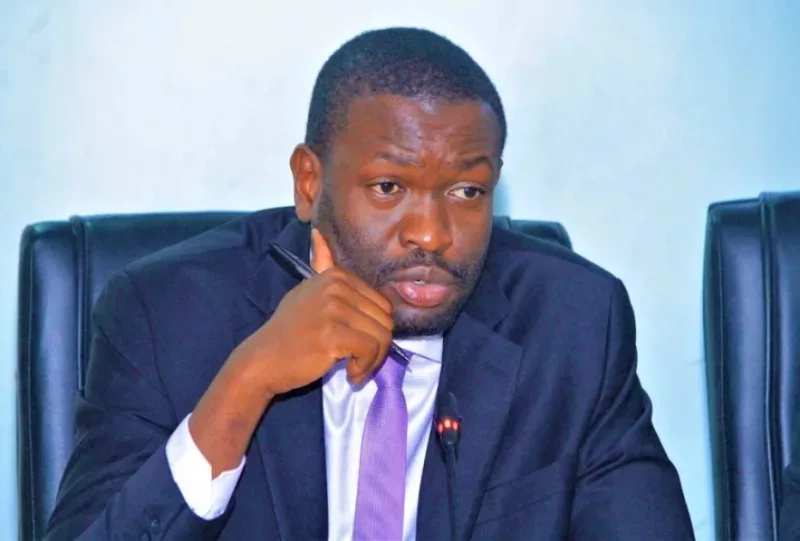


 Hon.Salah Maalim Alio-a Leadership and Governance Specialist
As Wajir County prepares for the 2027 gubernatorial election, one reality is becoming increasingly evident: the county requires leadership capable of uniting communities, strengthening public institutions, and unlocking its vast socio-economic potential.
For the Fai sub-clan, the forthcoming endorsement process presents an opportunity not merely to select a candidate but to shape the future direction of Wajir County. In this context, Hassan Khalid Wehliye stands out as a strong contender.
The significance of clan endorsements in Wajir politics cannot be overstated. However, such endorsements should extend beyond considerations of lineage or political arithmetic. They should be guided by a fundamental question: who is best positioned to serve both the interests of the community and the broader aspirations of Wajir County? Hassan Wehliye presents a compelling case. Perhaps his greatest strength is his ability to bring people together.
During the 2022 gubernatorial race, Wehliye demonstrated political maturity and selflessness by stepping aside in support of a broader community consensus. In a political environment often characterized by intense personal ambition and competition, that decision reflected a leader willing to place collective interests above individual aspirations.
As the Fai community seeks to consolidate its influence ahead of the 2027 elections, unity will undoubtedly remain one of its greatest assets, and Wehliye has already demonstrated an appreciation of its value. Equally significant is his ability to bridge generational divides.
He commands the respect of seasoned community leaders while enjoying considerable support among young professionals and the emerging generation of voters. Throughout the years, he has consistently supported initiatives aimed at empowering young people socially, economically and through sports development.
His contributions to community sports programmes—including providing teams with uniforms, equipment and logistical support—have strengthened grassroots engagement. Beyond sports, he has remained accessible to youth groups, professionals and students, encouraging mentorship, education and entrepreneurship.
This sustained engagement has earned him credibility among a generation increasingly seeking leaders who understand their aspirations and are willing to invest in their future. In a county where young people constitute the majority of the population, such a connection represents both a leadership strength and a development imperative.
Another distinguishing feature of Hassan Wehliye's profile is the breadth of exposure he has acquired through years of public service across different parts of Kenya. His professional responsibilities have taken him to counties that have recorded significant progress in governance, infrastructure development, revenue generation, public service delivery and economic transformation. Such exposure has provided him with valuable perspectives and practical lessons that could inform development planning in Wajir as the county seeks to accelerate growth and narrow the gap with more developed regions.
Beyond politics, Wehliye brings credentials that directly relate to some of Wajir's most pressing governance challenges. As a senior officer at the Ethics and Anti-Corruption Commission (EACC), he has spent years working within systems of accountability, investigations and public resource management. Wajir, like many counties, continues to face concerns regarding financial management, service delivery and public confidence in government institutions.
His professional background provides him with firsthand experience in strengthening governance systems and promoting transparency and accountability in public administration.
His development vision has consistently focused on improving healthcare services, expanding access to quality education, strengthening water security, creating employment opportunities through livestock and agricultural value chains, empowering women and young people, and positioning Wajir as a regional trade and logistics hub.
These priorities reflect many of the challenges and opportunities that continue to shape the county's development agenda. Ultimately, endorsing Hassan Wehliye would, in the author's view, represent a commitment to unity, competence, integrity and development-oriented leadership. embrace a future defined by opportunity, inclusive growth and shared More importantly, it would signal a desire to move beyond divisive politics and prosperity.
The decision before the Fai leadership is therefore a significant one. By rallying behind Hassan Wehliye, they would not simply be endorsing a candidate; they would be expressing confidence in a vision that, in the author's assessment, has the potential to contribute meaningfully to Wajir's long-term development and future prosperity.
The writer is a Leadership and Governance Specialist