IMANYARA: Shoot to Maim? Mr President, that is not leadership. It is tyranny
In Kenya, we are no strangers to state violence. But never before has it been commanded so openly
by GITOBU IMANYARA
Audio By Vocalize
When a president, standing on a public platform, openly instructs police officers to shoot unarmed citizens “in the leg,” it raises serious constitutional and ethical questions. Such remarks are a betrayal of the oath of office and a distortion of the principles of law and order.
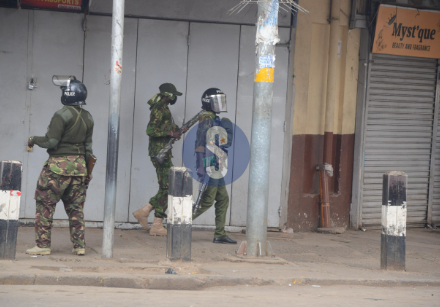
In Kenya, we are no strangers to state violence. But rarely has it been endorsed so openly, so casually, and without remorse. President William Ruto’s comment that police should “just shoot them in the leg” does not exist in isolation. It comes amid mass youth-led protests against inequality, corruption, and repression. These demonstrations have been largely peaceful, driven by a generation demanding dignity, accountability, and the right to live in a country that respects its people.
The President’s statement cannot be dismissed as offhand. It risks being interpreted as an incitement to the use of excessive force. It could be seen as an instruction to maim, which would be wholly unconstitutional.
Article 129(1) of the Constitution of Kenya is explicit: "Executive authority derives from the people of Kenya and shall be exercised in accordance with this constitution."
It further requires that such authority be exercised “in a manner compatible with the principle of service to the people of Kenya, and for their well-being and benefit.” Nowhere does the constitution provide for “leg shots” or allow for the suppression of unarmed demonstrators through violent means. There is no constitutional exception for cruelty.
The Kenyan constitution is not a suggestion. It is the supreme law of the land. Any directive, verbal or otherwise, that violates it, stands on illegal ground. Article 244 of the same constitution explicitly requires the National Police Service to operate with “respect for human rights and fundamental freedoms and dignity.” When the head of state appears to instruct police to shoot, it creates a perception of undermining the very law that binds both citizens and leaders.
Let us be clear: no police officer has the legal right to shoot an unarmed person, whether in the chest, the head, or the leg. Contrary to popular belief, the leg is not a safe target. It contains major blood vessels such as the femoral artery, and injuries there can be fatal. The family of Rex Masai, a young Kenyan shot in the leg during a protest, knows this tragic reality. He died within minutes of the injury. That is the consequence such rhetoric risks normalising.
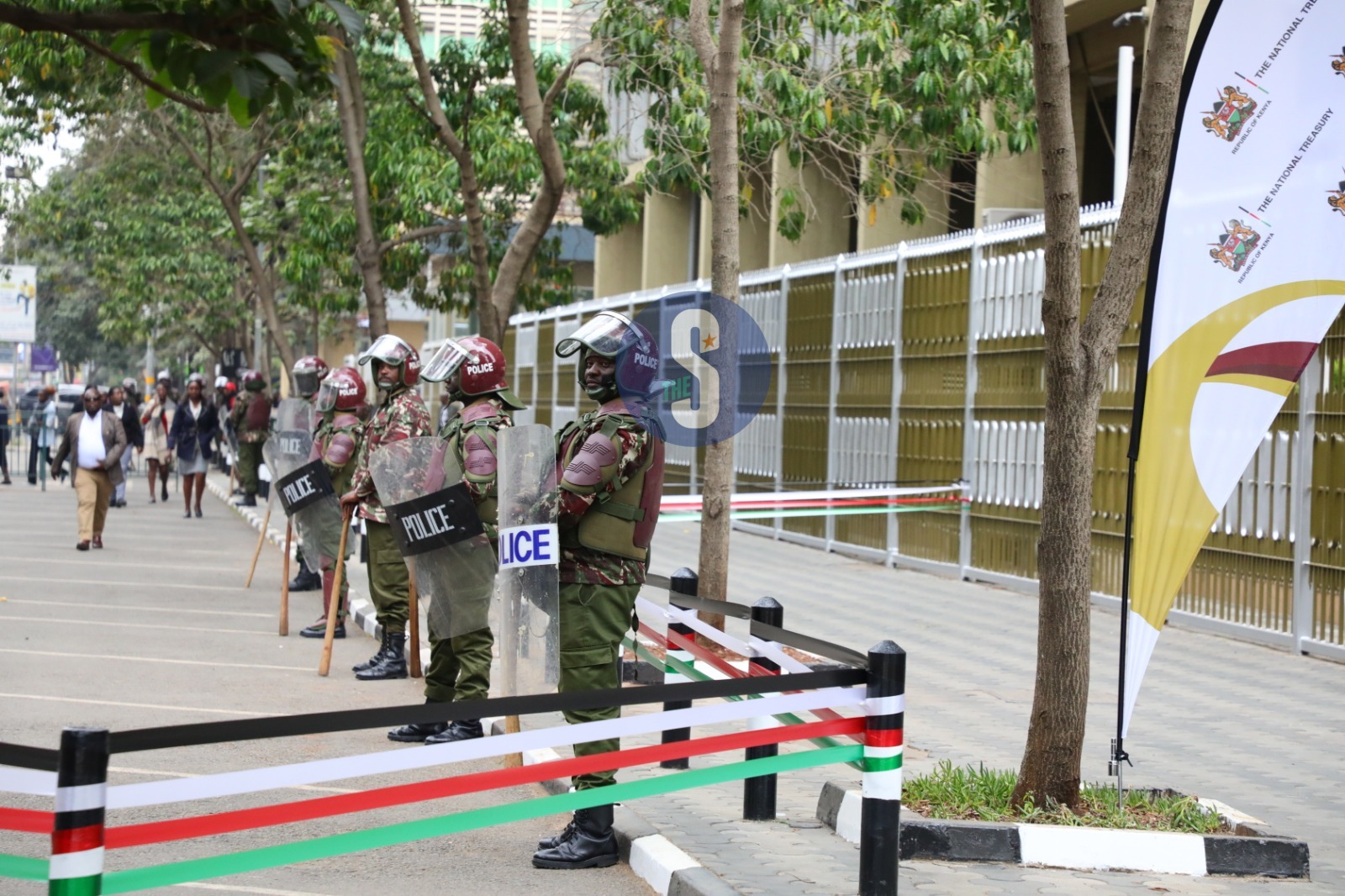
Beyond the medical facts, this kind of language sends a chilling message: dissent will be met not with dialogue but with bullets. It risks shifting the police from a service meant to protect citizens to a force perceived as being deployed against them. It can embolden rogue officers and erode public trust in institutions. This is not how democratic republics are governed; it is a slippery slope towards authoritarianism.
We must call this what it is: a dangerous erosion of constitutional values. No leader is above the constitution. Personal frustration or political discomfort cannot override the rights of citizens. Due process must remain sacrosanct.
The right to protest is protected under Article 37 of the constitution. It gives every Kenyan the freedom “to assemble, to demonstrate, to picket and to present petitions to public authorities.” This right does not depend on the President’s approval. It does not expire during times of unrest. In fact, it is most critical precisely in such moments when citizens feel ignored or marginalized.
A President committed to constitutionalism would have approached this moment differently. He would have chosen dialogue over threats. He would have acknowledged the grievances: economic hardships, youth unemployment, police excesses, and the widening trust deficit between citizens and state institutions. He might have visited victims of violence, comforted grieving families, condemned abductions, and reaffirmed his government’s commitment to police reform. Instead, Kenyans were met with threats, reports of night-time abductions, and rhetoric about shooting protesters.
This is not a show of strength. It reflects a governance approach that risks alienating the very citizens whose trust and cooperation are essential for national stability. When persuasion gives way to intimidation, a government risks losing the moral authority to lead.
But Kenya is not a dictatorship. We are governed by the rule of law, not by decree. And the law is clear: shooting unarmed civilians for any reason is a crime, whether done in uniform or condoned from a podium.
We must guard against the normalisation of state brutality. Defending the constitution is not solely the duty of courts; it is the responsibility of every Kenyan—in conversations, in classrooms, in places of worship, and where necessary, in peaceful assemblies. Once violence becomes an accepted tool of governance, democracy is left hanging by a thread.
When laws are turned into weapons against citizens, no one is truly safe. It is imperative that the President clarifies his remarks, reaffirms commitment to constitutional principles, and ensures investigations into any incidents of excessive force. Covert units allegedly involved in abductions and unlawful killings must be disbanded. Above all, the presidency must remember this: leadership is about upholding the law and safeguarding the dignity of every Kenyan. Governing through fear is incompatible with democratic ideals.
The writer is a lawyer and publisher of The Platform.
This is premium content
Subscribe to Continue Reading
Help us continue bringing you unbiased news, in-depth investigations, and diverse perspectives. Your subscription keeps our mission alive and empowers us to provide high-quality, trustworthy journalism. Join us today to make a difference!