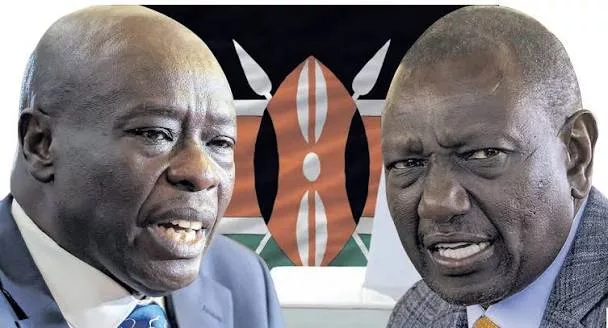
Deputy President Kithure Kindiki is facing perhaps his toughest
political balancing act yet as calls grow within Mt Kenya East for the region
to chart its own independent political path.
The renewed push by a section of leaders is threatening to fracture the
unity that has for decades made Mount Kenya the “tyranny of numbers”.
The flashpoint is the apparent refusal by Mount Kenya West to back
President William Ruto’s reelection despite picking Kindiki as his running
mate.
Signs of trouble emerged last week during the Ol Kalou by-election where
Ruto’s UDA candidate was beaten hands down.
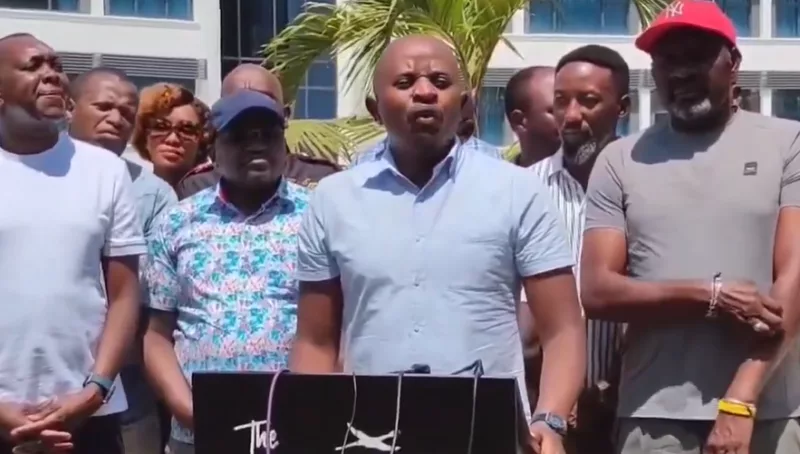
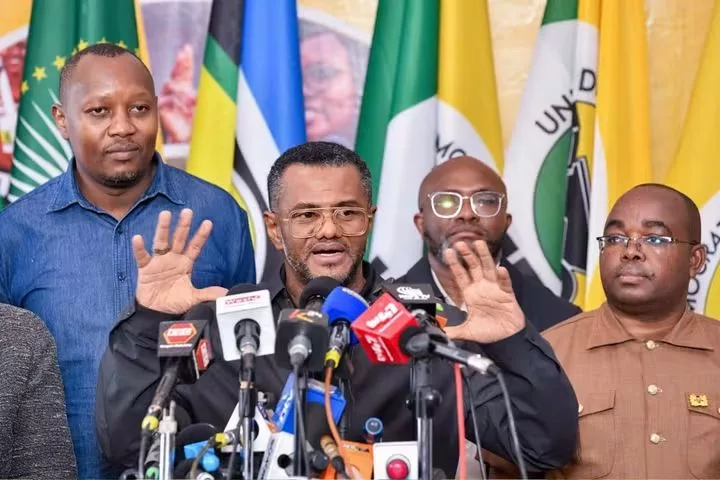
Nopeu party leader Mpuru Aburi on
Tuesday emphasised that Mt Kenya East must now
establish itself as an independent political bloc.
"The mountain has to be split. We want freedom like the one enjoyed
by Luos and Luhyas. They [Kikuyu’s] have used us for years yet we end up
getting nothing substantial," he said.
Aburi argued that Embu, Meru, Tharaka Nithi and Isiolo command close to
three million votes, enough to negotiate directly with presidential contenders.
The Tigania East lawmaker also cited huge disparities in the sharing of
state appointments.
"They [Central Kenya] have five Cabinet Secretaries while we have
one. They have 11 Principal Secretaries while we have one. In that case, which
Mt Kenya are we talking about?" he said.
Kindiki has himself repeatedly insisted that "the mountain is one", but the unfolding political dynamics could change his stand.
The debate is largely centred on
long-standing claims of historical marginalisation, unequal infrastructure
development and feelings of political exclusion.
Proponents say the grievances date back to the struggle for independence
and have persisted through successive administrations.
Some residents argue that communities from Mt Kenya East fought
alongside their counterparts in the Mau Mau liberation war but have received
little recognition.
"The colonisation is historical. Not a single road was named after
our forefathers who fought side by side in the Mau Mau liberation war. Not even
a school," one resident said.
Others claim that after independence, the government of founding
President Jomo Kenyatta allocated settlement land largely to communities in Mt
Kenya West while Embu and Meru families were left out.
The complaints extend to infrastructure.
Residents point to the railway line that terminated in Nanyuki, the
Kenol-Marua dual carriageway that has not been extended towards Meru and what
they describe as an unequal distribution of road projects.
"Why should the dual carriageway end at Marua yet Meru equally has
products that need to be delivered to the market?" one resident asked.
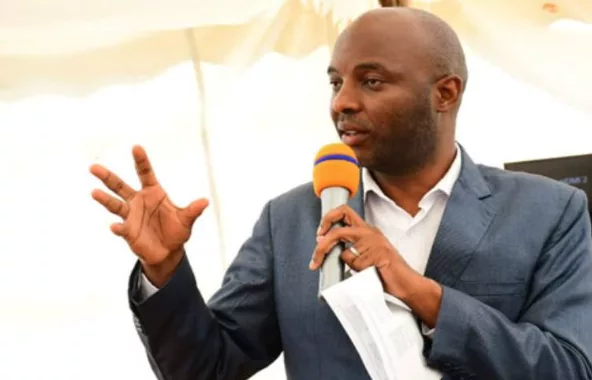
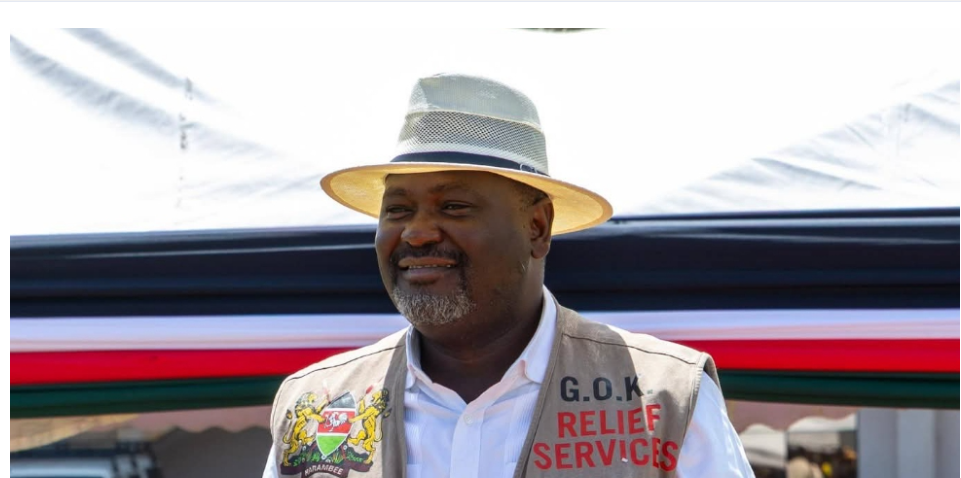
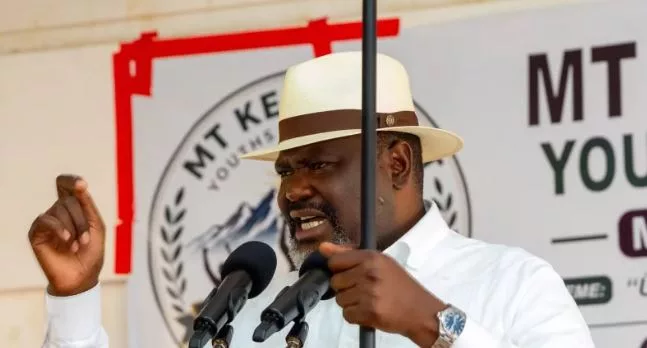
Public Service Cabinet Secretary Geoffrey Ruku has become the most vocal
champion of the cause.
Speaking at recent public meetings, he questioned what he termed glaring
disparities in infrastructure development.
"About 77 per cent of roads in Mt Kenya are in the West. Are we
children of a lesser God? Why is it that when President William Ruto wants to
dual roads here, we are told about one term?" Ruku asked.
His remarks have amplified calls for the region to redefine its
political future.
"When they want votes, they recognise we are one. But when it comes
to development, they think of themselves. If this continues, let us divide the
farm politically," one resident said.
Former Meru Governor Kiraitu Murungi says the growing frustration is
more about fairness.
"Mt Kenya East would like to negotiate directly with presidential candidates.
We don't want to negotiate through Mt Kenya West," he said.
Murungi described the relationship as ‘a domestic issue’ that requires
honest conversations on equity.
"The biggest challenge is discrimination in the distribution of
resources. We feel we belong to the same house but certain corners of the house
are treated better than others."
He said one of the most emotive issues remains the implementation of Mau
Mau roads.
"Our people feel that since there were liberators from the East,
there should be similar roads here. The issues are about equity in the
distribution of resources."
For Kindiki, the agitation presents a delicate political dilemma
especially amid pressure by his Kenya Kwanza compatriots to show his political
mettle.
As DP and the highest-ranking leader
from Mt Kenya East, he is expected by many residents to push for a bigger share of national resources.
But as President Ruto's principal political lieutenant, he is equally
tasked with preserving the cohesion of the Mt Kenya vote ahead of the 2027
election.
It is a balancing act he has sought to manage by rejecting attempts to
divide the region while acknowledging the need for development.
"We are one people. I don't want to see our communities speaking in
different political languages," Kindiki said.
"There is nothing that can divide us. I will ensure we walk
together as one community. What will matter in the next election is the work
done for Kenyans, not noise or insults."
Former Agriculture CS Mithika Linturi has also
criticised the campaign, accusing Ruku of deliberately stoking divisions.
"I urge our people not to fall into the divisive trap being set by
Cabinet Secretary Ruku. The mountain remains firmly united. The Gema community has stood together since independence
and that unity is our greatest strength," Linturi said.
INSTANT ANALYSIS
The handling of the unease could determine not only Kindiki's success as
the region's bridge-builder on matters politics, but also the future of the
influential voting bloc.

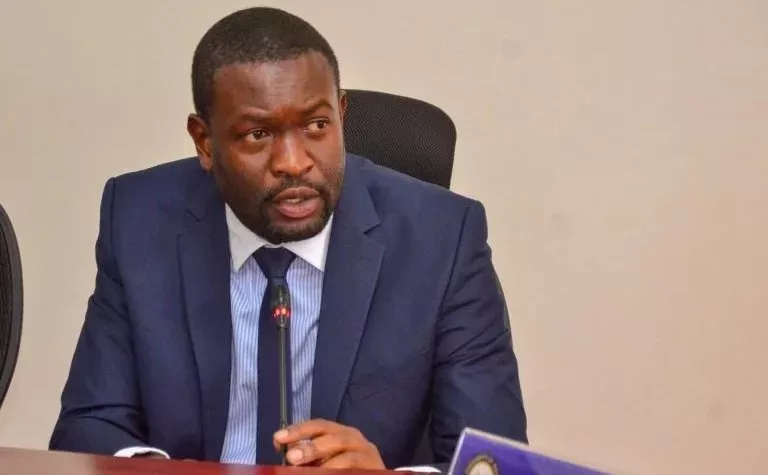
 Public Service Cabinet Secretary Geoffrey Ruku /SCREENGRAB