Football's holy grail: Eight remarkable facts about the FIFA World Cup trophy
One of football's biggest misconceptions is that the champions take home the famous golden trophy
by FELIX KIPKEMOI
Audio By Vocalize
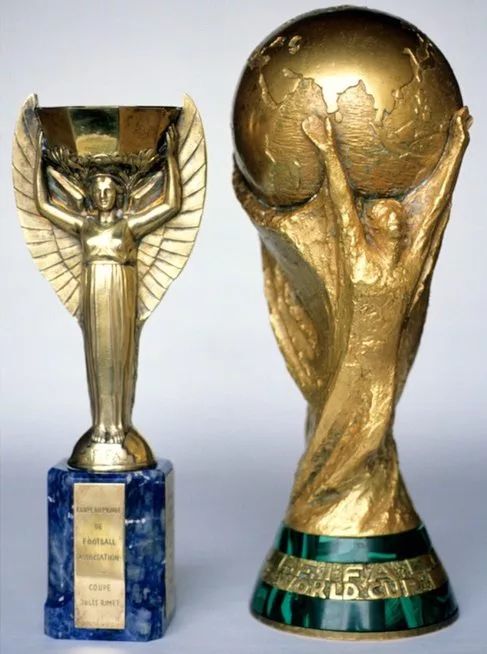
The old Jules Rimet Trophy (left) and the current trophy/COURTESY
The FIFA World
Cup trophy is arguably the most coveted prize in world sport.
Every four years,
the world's best footballers battle for the honour of lifting the
golden trophy, a symbol of football excellence and global supremacy.
From Diego
Maradona and Zinedine Zidane to Lionel Messi and Kylian Mbappé,
football's greatest stars have all aspired to get their hands on the
famous trophy.
Yet beyond its
glittering appearance lies a remarkable story of craftsmanship,
history, strict security and symbolism that many fans know little
about.
While millions
admire the iconic prize during the tournament, few know the
fascinating details behind its design, history and strict rules
governing who can touch it.
Here are eight
fascinating facts that make the FIFA World Cup trophy one of the most
unique sporting awards in the world.
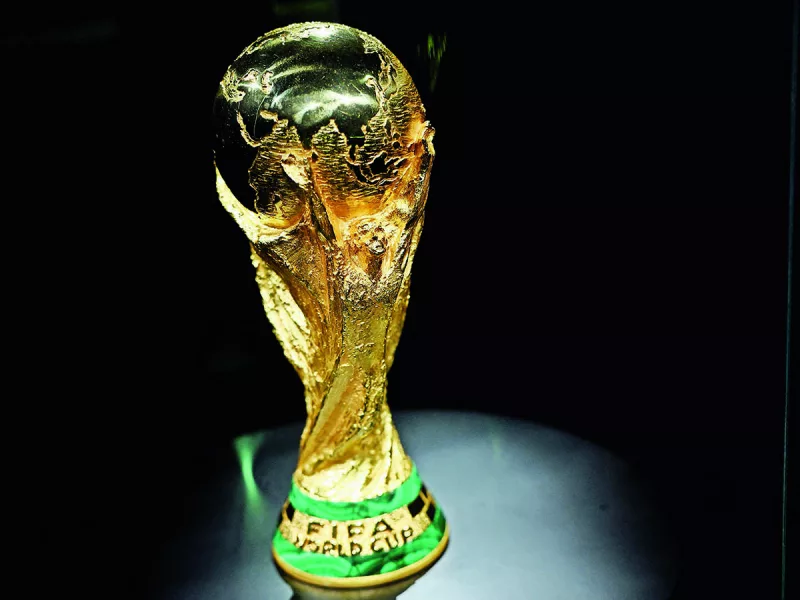
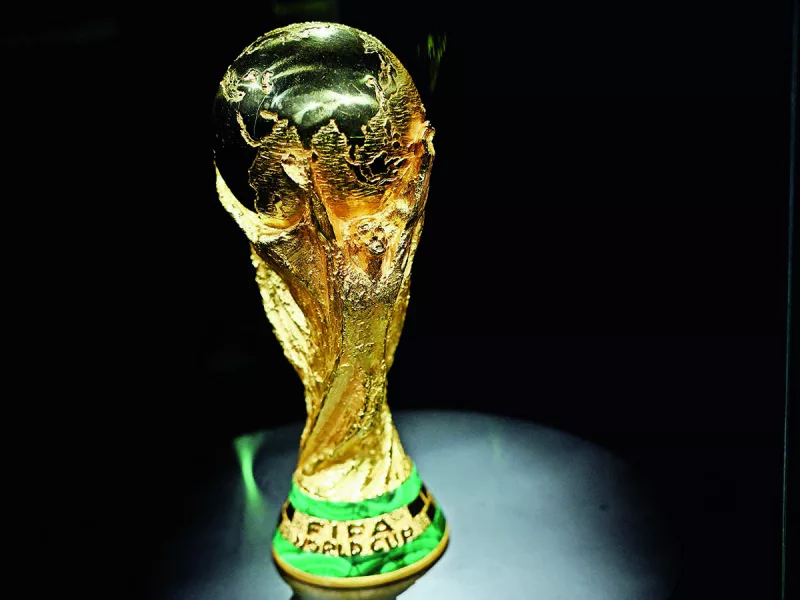
1. The trophy
weighs just over six kilograms, and most of it is pure gold
Despite appearing
much heavier, the FIFA World Cup trophy weighs 6.142 kilogrammes.
Of that weight,
5.092 kilograms consist of 18-carat pure gold, making it one of the
most valuable trophies in global sport.
Standing 36.8
centimetres tall, the trophy depicts two human figures triumphantly
lifting the Earth, symbolising football's global appeal and the unity
of nations through sport.
Despite being
solidly built, the trophy is hollow rather than entirely solid gold,
making it easier to lift during celebrations.
Its combination
of gold and intricate craftsmanship makes it instantly recognisable
across the world.
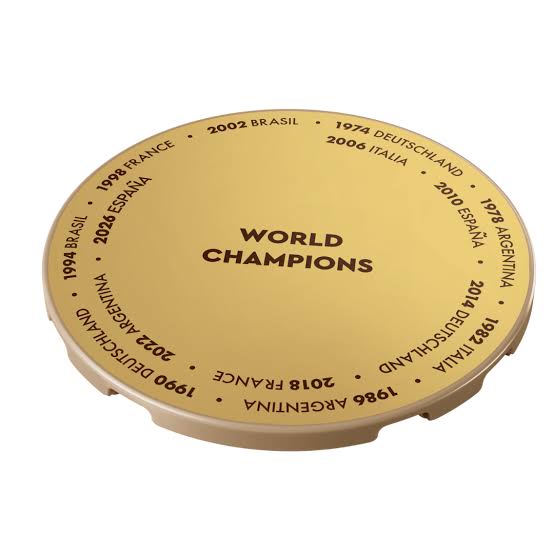
2. A new
nameplate is added after every World Cup
Many fans assume
the trophy itself is replaced after every tournament.
In reality, only the
bottom disc is changed.
Rather than
engraving names directly onto the gold, FIFA removes the bottom disc
after every tournament and places it in the FIFA Museum's archive.
A brand-new engraved
disc bearing the name of the latest champions is then fitted onto the
trophy before it returns to public display.
This ensures
every winning nation is permanently recorded while preserving the
trophy's historic legacy.
Replacable disc on the bottom of the current trophy showing title holders/COURTESY
3. The current
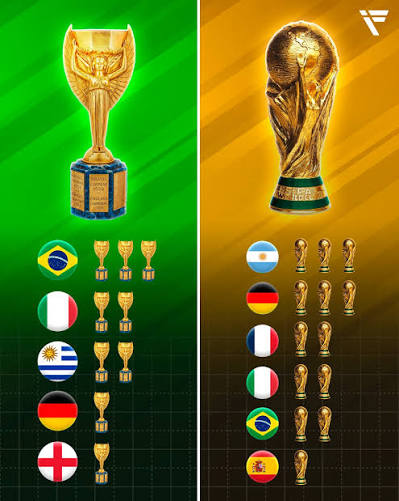
trophy replaced the Jules Rimet Trophy in 1974
The famous golden
trophy which football fans know today was first introduced during the
1974 FIFA World Cup.
Before then, winners
received the Jules Rimet Trophy, named after the former FIFA
president who spearheaded the creation of the World Cup in 1930.
Under FIFA rules
at the time, any nation that won the tournament three times would
keep the Jules Rimet Trophy permanently.
Brazil achieved
that feat after winning the 1970 World Cup in Mexico, becoming the
first country to claim three world titles.
This is after
defeating Italy 4-1 in the finals held in Mexico.
As promised, Brazil
kept the Jules Rimet Trophy, forcing FIFA to commission an entirely
new design.
4. More than 50
designs competed to become the new trophy
Following
Brazil's permanent ownership of the Jules Rimet Trophy, FIFA launched
an international design competition.
More than 50
artists from seven countries submitted designs before Italian
sculptor Silvio Gazzaniga emerged victorious.
His creation
symbolised the joy of victory, with two athletes supporting the Earth
above their heads.
Gazzaniga
famously said he wanted the trophy to portray "the universal
image of victory" rather than represent any single nation.
More than five
decades later, his design remains one of the most recognisable
sporting symbols in the world.
Jules Rimet Trophy (left) and the current trophy/COURTESY
5. Very few
people are allowed to touch the trophy
Unlike many
sporting trophies that are freely handled, the FIFA World Cup trophy
is protected by strict protocols.
Only the FIFA
President, World Cup-winning players and heads of state are permitted
to touch the trophy with bare hands.
Everyone else,
including tournament officials, celebrities and guests, must wear
protective gloves if they handle it.
The restriction
reflects the trophy's prestige and helps preserve one of football's
most valuable and recognisable artefacts.
6. Winners do not
keep the original trophy
One of football's
biggest misconceptions is that the champions take home the famous
golden trophy.
In reality, they do
not.
The authentic FIFA
World Cup trophy permanently belongs to FIFA and is housed at the
FIFA Museum in Zurich, Switzerland.
After the
celebrations conclude, it is returned to the museum, where it is
carefully preserved under tight security.
Each World
Cup-winning nation instead receives an official winner's trophy,
which serves as its permanent keepsake.
This means the
original trophy remains under FIFA's care and returns to the museum
after official celebrations and promotional activities conclude.
7. It travels under
tight security
The World Cup trophy
is among the world's most heavily protected sporting objects.
Whenever it leaves
the FIFA Museum for official events, promotional tours or the
tournament itself, it is transported under strict security
arrangements.
The trophy often
travels with security personnel, specialised protective cases and
carefully planned logistics to minimise risk.
Ahead of every World
Cup, FIFA organises a global Trophy Tour, allowing millions of fans
across different countries to see the iconic prize before the
tournament begins.
FIFA World Cup trophy/FILE
8. It represents
more than football
Beyond its gold,
craftsmanship and prestige, the World Cup trophy has become a symbol
of excellence, national pride and sporting history.
Only nine countries
have lifted the current trophy since it was introduced in 1974,
making it even more exclusive.
For players, coaches
and supporters, lifting the trophy represents the pinnacle of
football achievement after years of sacrifice, preparation and
competition.
Each edition of the
tournament adds another chapter to its rich history, inspiring new
generations to dream of one day standing on football's biggest stage.
This is premium content
Subscribe to Continue Reading
Help us continue bringing you unbiased news, in-depth investigations, and diverse perspectives. Your subscription keeps our mission alive and empowers us to provide high-quality, trustworthy journalism. Join us today to make a difference!

 The old Jules Rimet Trophy (left) and the current trophy/COURTESY


 Replacable disc on the bottom of the current trophy showing title holders/COURTESY
 Jules Rimet Trophy (left) and the current trophy/COURTESY