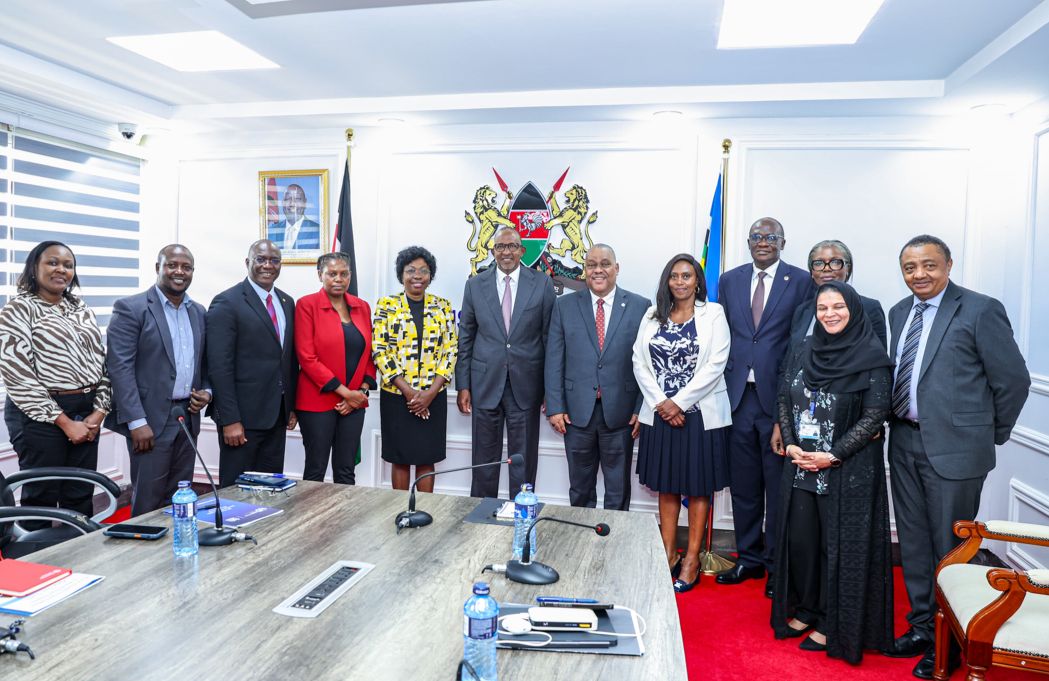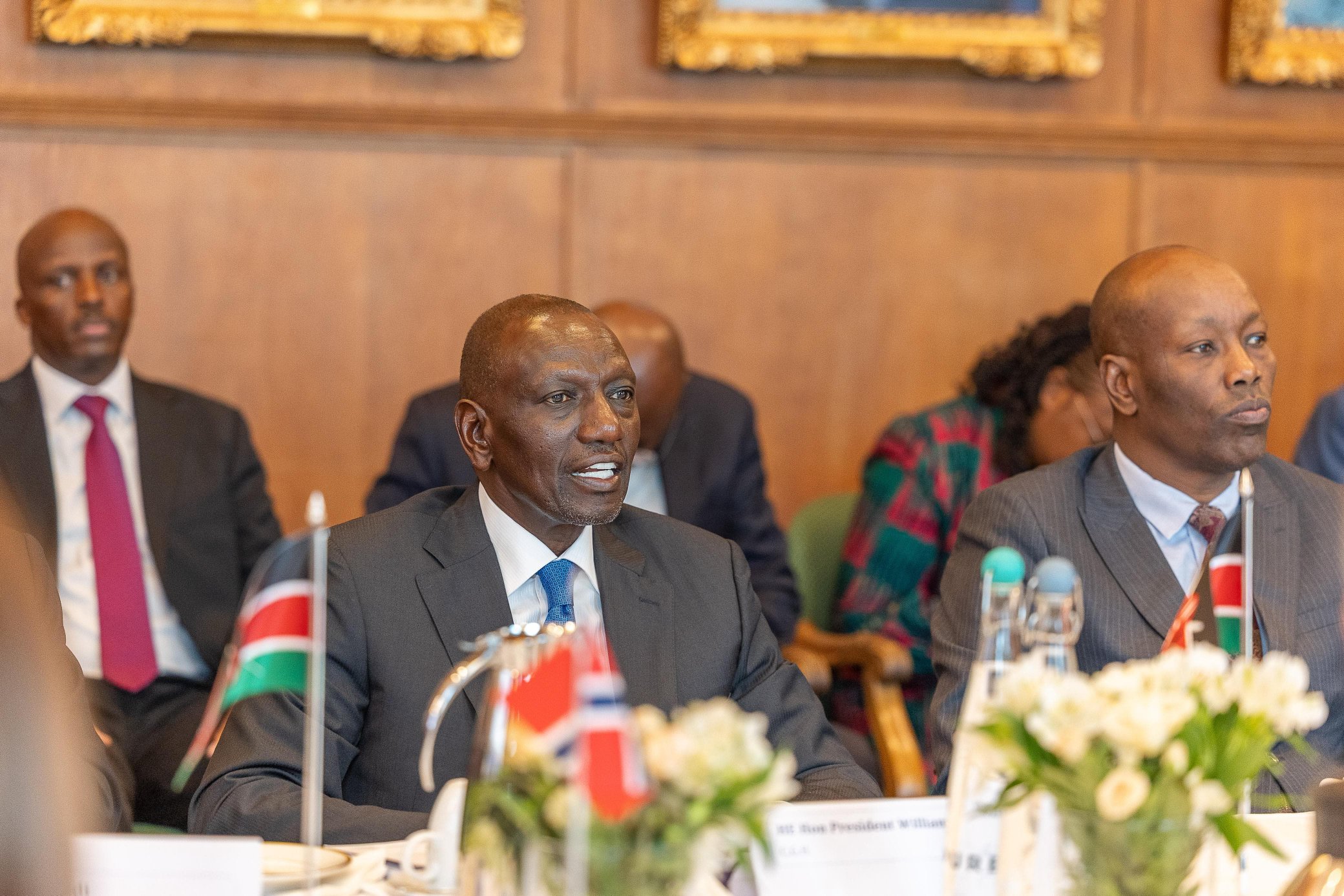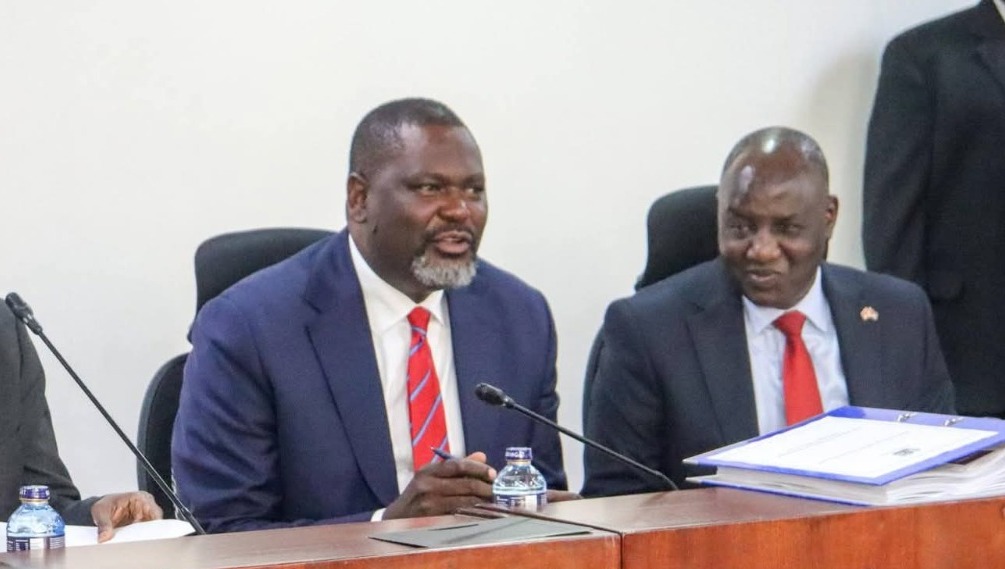


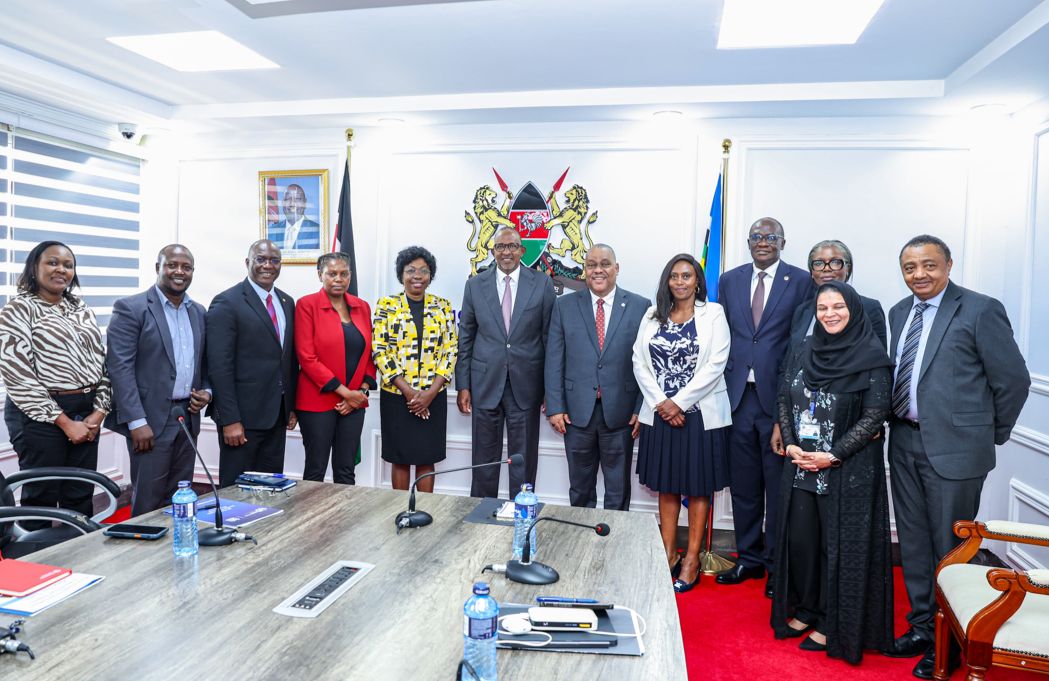
 Health Cabinet Secretary Aden Duale during the high-level talks with the newly appointed United Nations Resident Coordinator to Kenya, Dr Garry Conille. /MOH
Kenya is stepping up efforts to strengthen its health security systems amid growing concerns over regional outbreaks of Ebola and Mpox, with Health Cabinet Secretary Aden Duale holding high-level talks with the newly appointed United Nations Resident Coordinator to Kenya, Dr. Garry Conille.
The meeting focused on bolstering disease surveillance, border health services, emergency preparedness and rapid response mechanisms as the country seeks to enhance its capacity to detect and contain emerging public health threats.
According to the Ministry of Health, the discussions underscored the need for stronger health security measures while reaffirming the long-standing partnership between Kenya and the United Nations in advancing Universal Health Coverage (UHC).
The two leaders emphasized the importance of ensuring all Kenyans have equitable access to quality healthcare services, even as the government continues implementing sweeping health sector reforms.
During the talks, Duale revealed that more than 31.5 million Kenyans have registered under the Social Health Authority (SHA), describing the figure as a major milestone in the country's push to expand access to affordable healthcare and strengthen health financing systems.
The meeting also explored ways of strengthening community health systems, which remain the backbone of healthcare delivery at the grassroots level.
Particular attention was given to expanding immunisation coverage and improving reproductive, maternal, newborn, child and adolescent health services, especially among vulnerable and underserved populations.
Maternal and newborn health featured prominently through discussions on the government's Every Woman Every Newborn Everywhere (EWENE) Acceleration Plan, an initiative aimed at reducing preventable maternal and newborn deaths by improving access to skilled care, strengthening referral systems and expanding essential health services.
Duale further highlighted the role of the Digital Health Agency in driving healthcare reforms, noting that digital systems are expected to improve accountability, efficiency and service delivery as Kenya advances its UHC agenda.
Beyond infectious disease preparedness, the leaders also discussed the growing burden of non-communicable diseases, including cancer, diabetes, cardiovascular diseases and mental health conditions.
The talks focused on strengthening prevention, early diagnosis, treatment and long-term management of such illnesses through more responsive healthcare systems.
Climate-related health challenges and their impact on vulnerable communities also featured in the discussions, with both sides stressing the need to build resilient health systems capable of responding to future environmental and public health risks.
Dr Conille reaffirmed the United Nations' commitment to supporting Kenya's healthcare priorities, including health security, emergency preparedness and reforms aimed at improving health outcomes across the country.
The Ministry of Health said continued collaboration between Kenya and the UN remains critical in driving sustainable healthcare reforms and ensuring quality healthcare access for all Kenyans