
Proportion of individuals engaged in betting by age(%)
An estimated 40.4% of kenyans between 18 and 45 actively betting
1mon agoWILLIAM WANYOIKEInfographics
The Gambling Regulatory Authority is seeking to tighten oversight and curb the social harms associated with gambling.


Audio By Vocalize

The National Assembly’s Committee on Delegated Legislation on Monday scrutinised draft gambling regulations that could significantly reshape Kenya’s multi-billion-shilling betting industry.
This is as the newly established Gambling Regulatory Authority (GRA) moves to tighten oversight and curb the social harms associated with gambling.
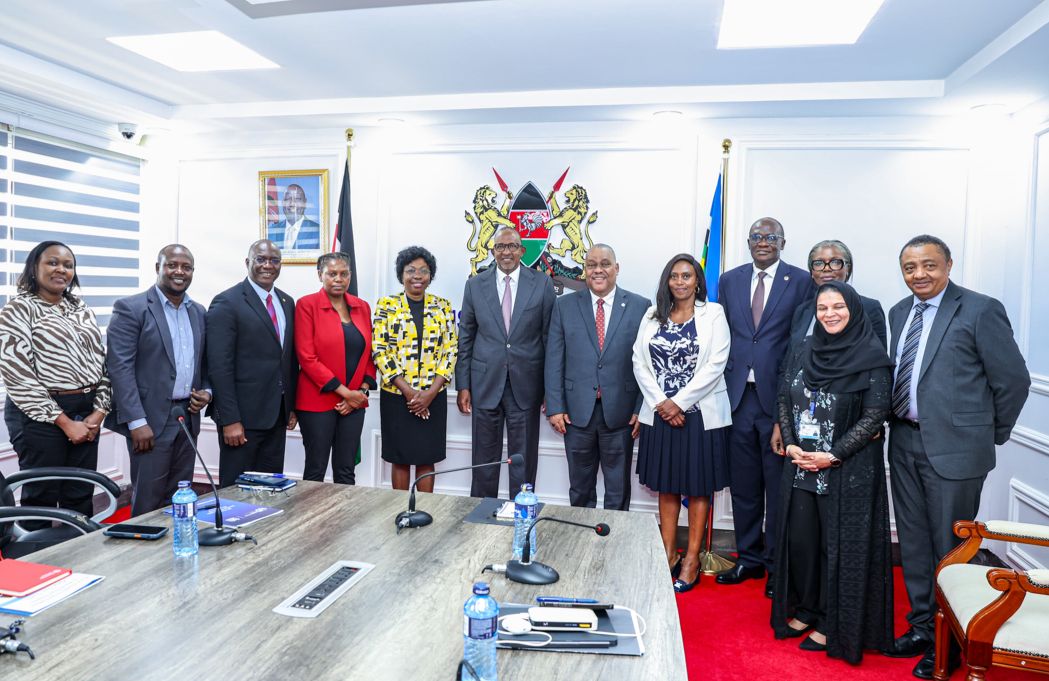
Appearing before the National Assembly’s Departmental Committee on Delegated Legislation, chaired by Samuel Chepkonga, GRA officials revealed that all gambling operators will be required to apply for fresh licences under the new framework, ending the practice of automatic licence renewals.
The proposed regulations introduce separate licences for online bookmakers, lotteries and casinos, reflecting the rapid shift of gambling activities to digital platforms.
Officials also singled out the increasingly popular online game Aviator for enhanced regulation, citing concerns over its use of artificial intelligence and its potential to encourage compulsive gambling behaviour.
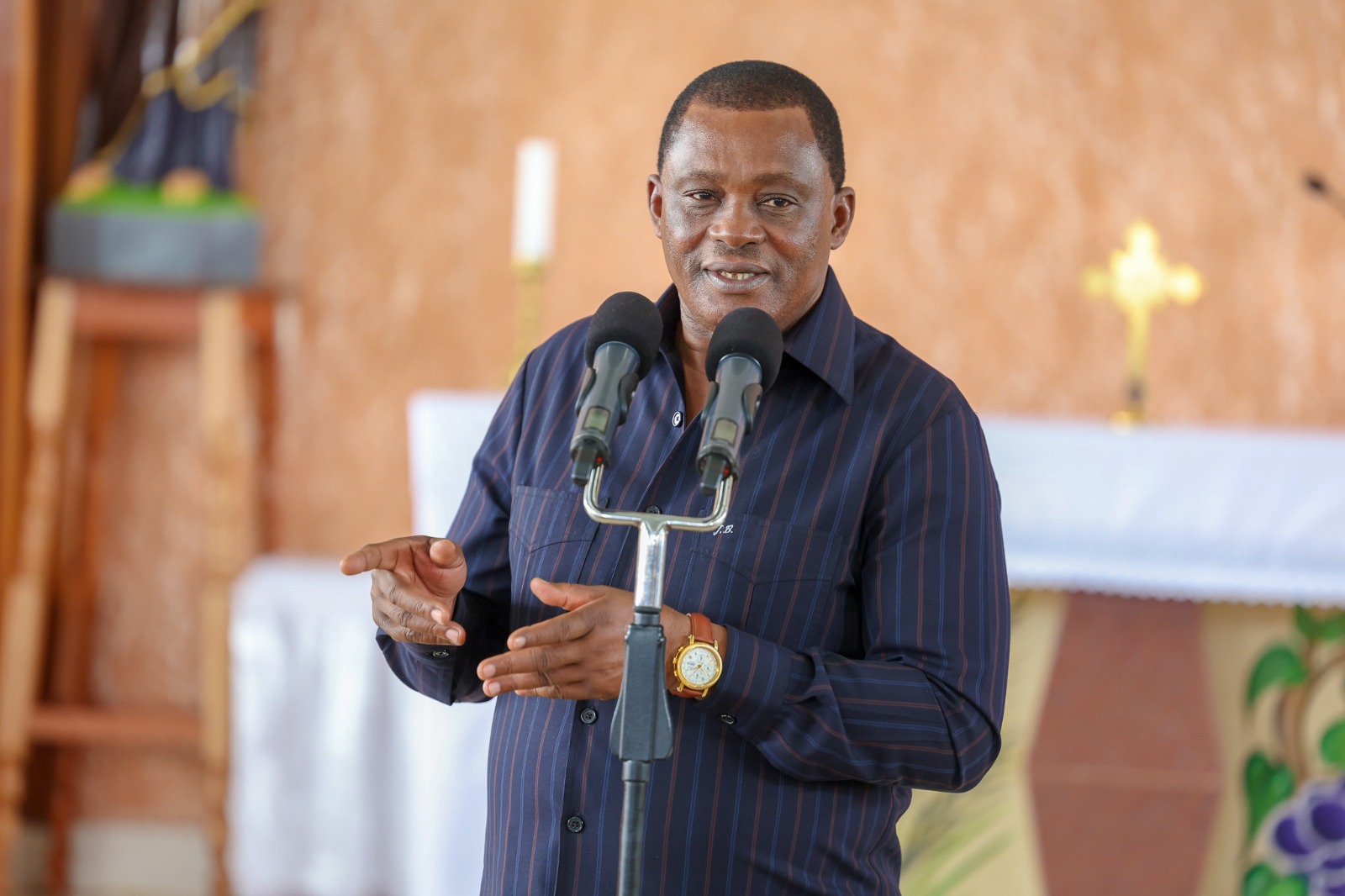
Public Service Cabinet Secretary Geoffrey Ruku, who led the GRA officials to Parliament, acknowledged the sector’s economic contribution but cautioned against its growing social impact.
“The gambling sector contributes about Sh14 billion a year to our revenue, which is a huge contribution. However, we need to regulate this industry in a manner that is not going to harm our families. We have cases where families are bankrupt and properties auctioned because of addiction,” he told the committee.
Committee chairperson Chepkonga underscored the urgency of finalising the regulations before the transition period lapses.
“There is a request by the Cabinet Secretary that we help in this matter because they were required to have completed these regulations by May 30, while the transition period expires on June 30,” he said.
Members of the committee, however, raised concerns over several provisions they described as ambiguous and potentially open to abuse.
Kilgoris MP Julius Sunkuli questioned the proposed “fit and proper” test for licence applicants, warning that undefined standards could lead to arbitrary decisions.
“If you are not specific, then it means you have opened it up for the authority to determine what constitutes due diligence. You can even make law behind closed doors,” he cautioned.
The Committee Members also scrutinised the proposed capital requirements, warning against setting thresholds so high that they lock out legitimate investors.
They further called for strict enforcement of advertising restrictions, including a proposed watershed period banning gambling advertisements between 10.00 p.m. and 6.00 a.m., while seeking safeguards against companies disguising gambling products as investment opportunities.
Concerns over the protection of minors also featured prominently as Kiambu Town MP John Waithaka sought clarification on mechanisms to prevent underage gambling and questioned whether licence fees would be standardised across counties.
Meanwhile, Kathiani MP Robert Mbui challenged a provision requiring applicants to provide audited financial statements for the preceding two years, arguing that it could unfairly exclude new entrants from the market.
“Are you closing out any possibility for a person to start a business in this sector? If they have not been operating in this line of business, they will not have audited accounts for two years. Without them, they do not qualify,” he observed.
The committee is expected to continue deliberations on the regulations on Thursday, citing the matter's urgency.
Once operational, the GRA plans to establish a central monitoring system capable of detecting signs of gambling addiction among players and triggering interventions such as account suspension, counselling referrals and other responsible-gaming measures.
The authority is currently operating with a lean workforce as it awaits approval of its full staffing structure.
However, officials maintained that the proposed regulations are critical to ensuring accountability, consumer protection and responsible growth within Kenya’s gambling sector.
An estimated 40.4% of kenyans between 18 and 45 actively betting