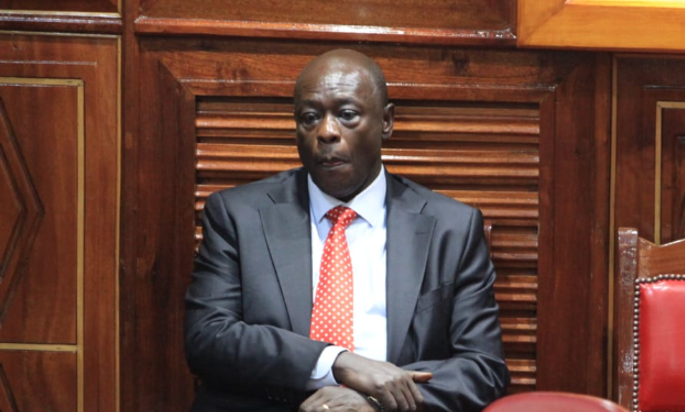
Former Deputy President Rigathi Gachagua remains free to
contest for the presidency despite the impeachment tag hanging over him.
Lawyers agree that the DCP party leader cannot be barred
from seeking any political office before exhausting all available avenues of
appeal.
Gachagua has already indicated he will move to the Court of
Appeal and, if necessary, pursue the matter further at the Supreme Court.
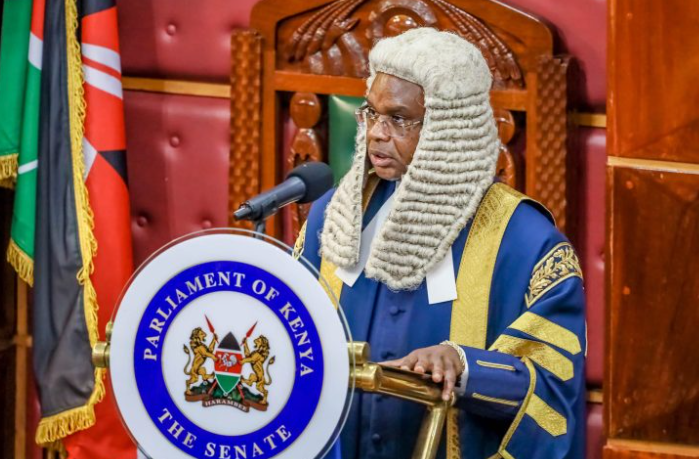
On Monday, the High Court handed Gachagua some relief,
awarding him Sh50 million in damages and finding that his right to a fair
hearing was violated during the Senate impeachment proceedings.
Law Society of Kenya President Charles Kanjama argued that
Gachagua remains eligible to contest for public office because the appellate
process has not been exhausted.
Kanjama pointed to Articles 73, 75 and 99 of the constitution,
particularly Article 99(3), which provides safeguards for individuals seeking
elective office while appeals are still pending.
“A plain reading of Article 99(3) shows that his right to
vie for public office is still open, still alive, until such a time as the
Supreme Court gives its final determination,” Kanjama said.
According to him, the High Court upheld the impeachment but
left unresolved questions about whether all the legal consequences flowing from
that impeachment automatically remain in force.
He argued that the judges created a legal contradiction by
finding that Gachagua’s right to a fair hearing had been infringed while
simultaneously sustaining the impeachment outcome.
“My interpretation is that because the court has found that
there has been a violation of the right to a fair hearing, of necessity, the
fruits of the impeachment cannot all be sustained,” he said.
A similar issue arose in 2022 when the High Court in Mombasa
ordered the Independent Electoral and Boundaries Commission to clear former
Nairobi Governor Mike Sonko to contest the Mombasa governor race.
The decision came days after the IEBC’s Mombasa Returning
Officer declined to accept Sonko’s nomination papers.
At the time, Sonko’s attempts to overturn his impeachment
had failed at both the High Court and the Court of Appeal, but his case was
still pending before the Supreme Court.
Days after the High Court’s decision on his eligibility, the
Supreme Court ruled that Sonko’s impeachment was constitutional and valid,
ending his bid for the Mombasa governorship.
Lawyer Danstan Omari shared Kanjama’s interpretation,
arguing that Article 99(3) shields Gachagua from immediate disqualification.
Omari cited the 2013 presidential election, when
then-presidential candidates Uhuru Kenyatta and William Ruto contested while
facing charges at the International Criminal Court.
“The law provides that in an election, anybody seeking an
elective office, whether sentenced by a criminal court or tribunal, is free to
contest unless all avenues of appeal have been exhausted,” Omari said.
He maintained that Gachagua’s case differs from Sonko’s
because Sonko’s impeachment battle ultimately reached the Supreme Court, which
upheld his removal from office.
“Only Sonko cannot contest because the Supreme Court had
decided. Gachagua still has two more layers, that is, the Court of Appeal and
the Supreme Court,” Omari argued.
Lawyer Peter Wanyama said Gachagua’s political fate will
ultimately be determined by the Supreme Court rather than the lower courts.
“Until the Supreme Court upholds the decision, Gachagua
remains eligible to vie for the presidency,” Wanyama said.
Murang’a Senator Joe Nyutu also insisted that Gachagua’s
presidential ambitions remain intact.
“He was eligible and still is eligible because he hasn’t
exhausted all the legal remedies and avenues to quash this illegal and
unconstitutional impeachment,” Nyutu said.

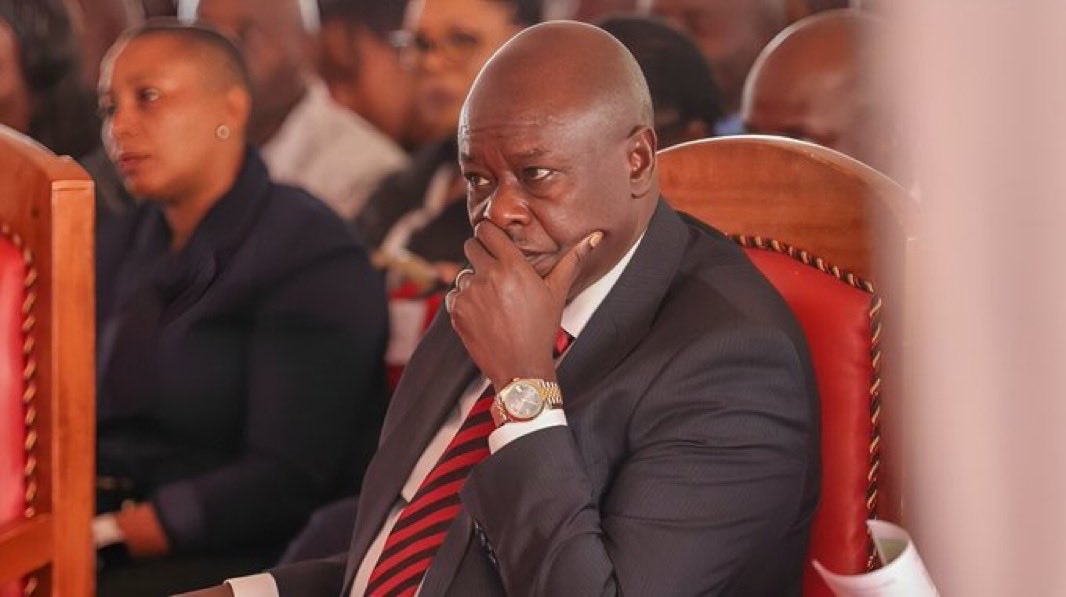
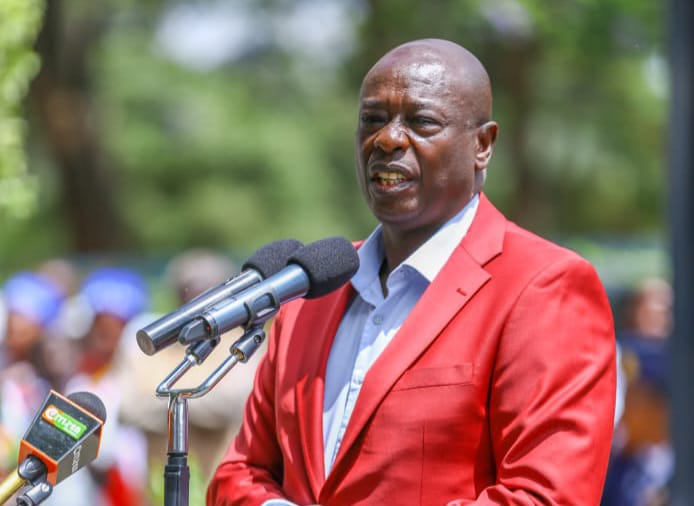
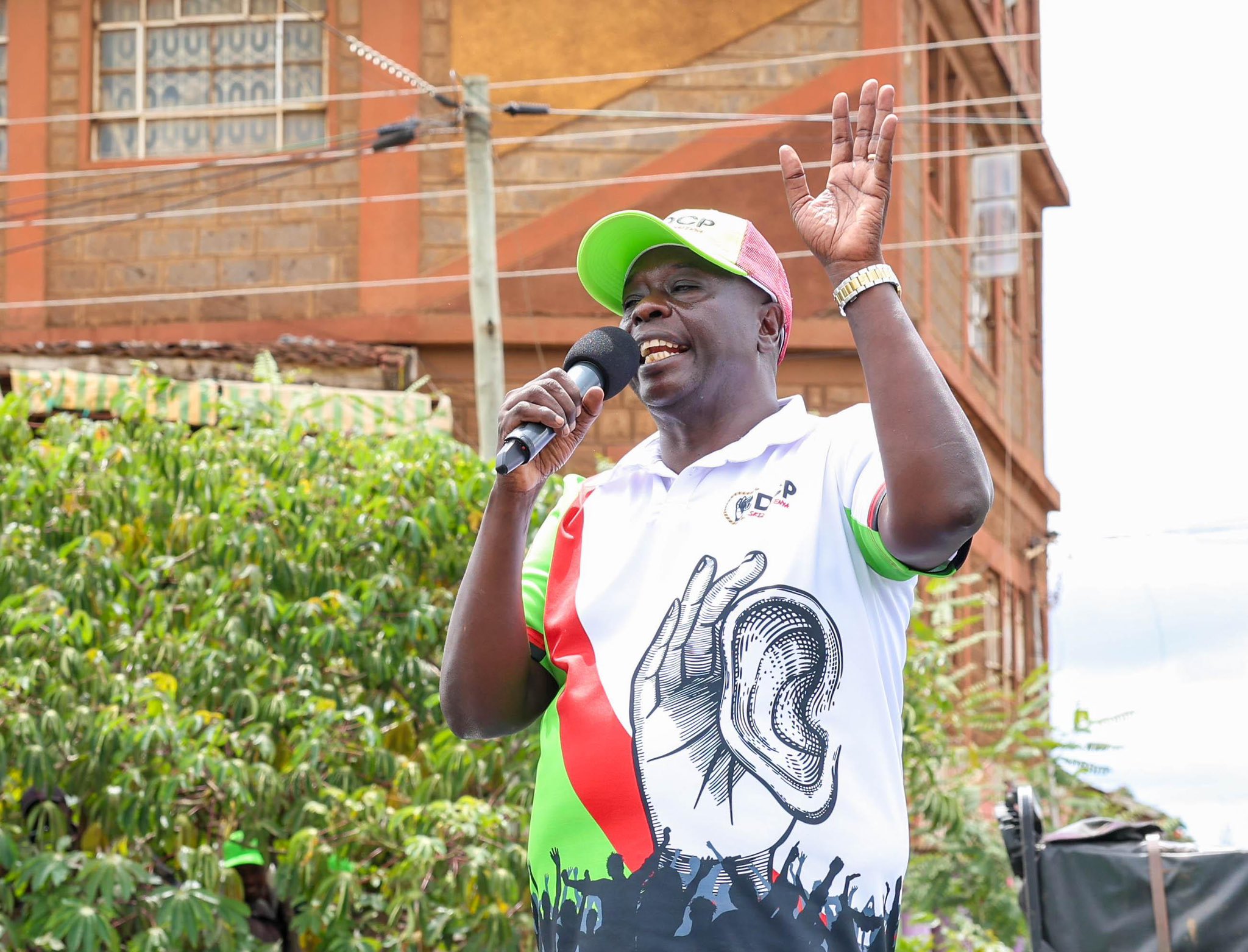
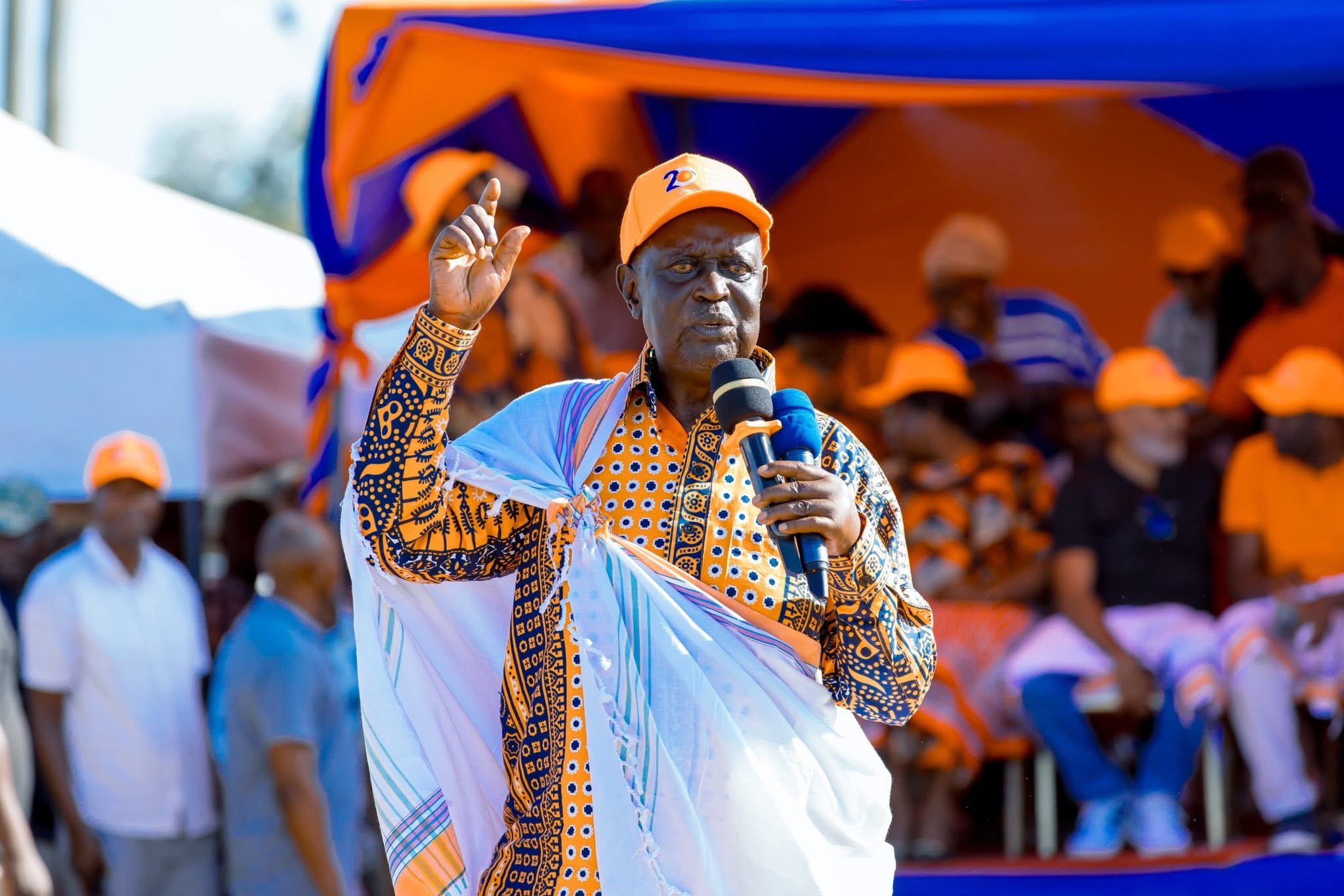
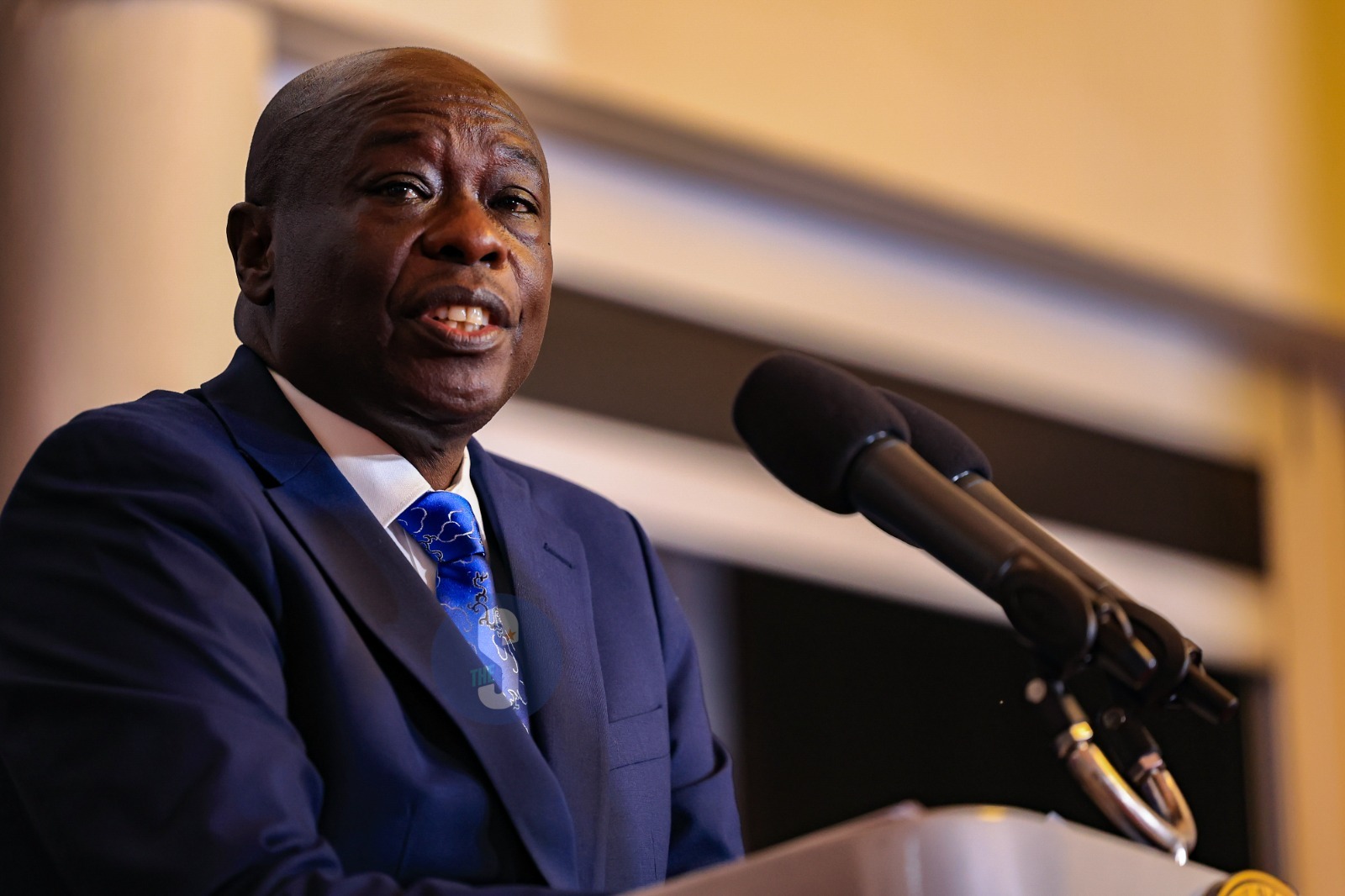 DCP Leader Rigathi Gachagua/FILE




![[PHOTOS] Ruto pushes for stronger Kenya-EU economic ties in Brussels](https://cdn.radioafrica.digital/image/2026/06/3aebc395-285b-441c-8aa4-33cb538f8d44.jpg)