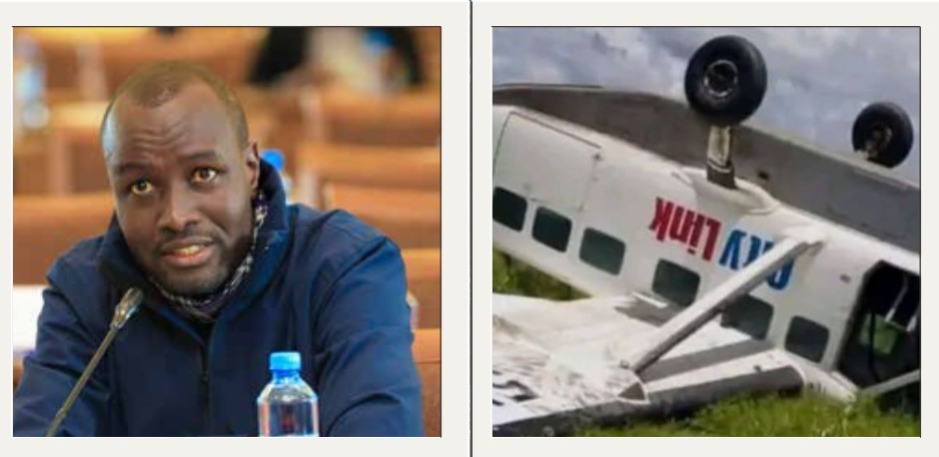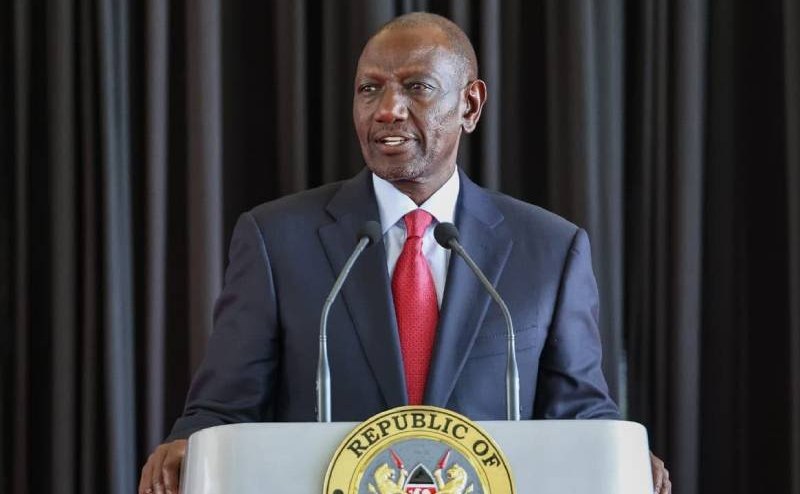


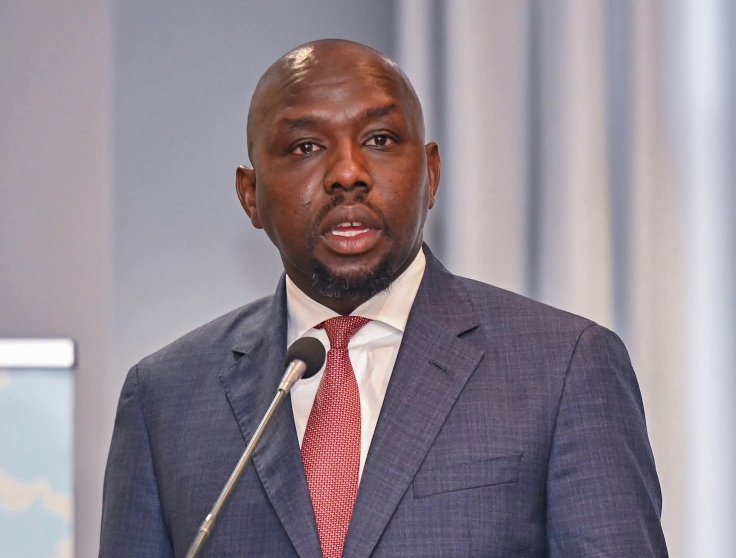
 Interior Cabinet Secretary Kipchumba Murkomen/FILE
Interior Cabinet Secretary Kipchumba Murkomen has defended the constitutional right to protest while warning against what he termed the growing tendency to conflate violent criminal acts with peaceful demonstrations.
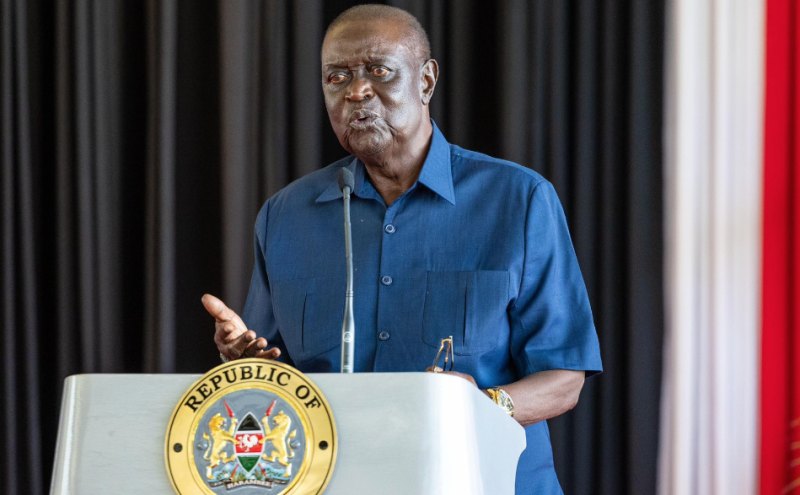
Speaking at State House, Nairobi, during the presentation of the Framework for Reparations for Victims of Human Rights Violations, Murkomen said Kenya must establish clear safeguards that allow citizens to exercise their constitutional freedoms while ensuring public safety.
"The right to assemble, demonstrate, picket and petition as provided in Article 37 of the Constitution must be implemented," Murkomen said.
"But even as we implement that right, it is important that we have a clear framework that enables Kenyans to enjoy their right and that we can separate violent criminals from those who are enjoying this right."
His remarks come amid ongoing national conversations on protests and the use of force by security agencies following demonstrations witnessed in recent years.
Murkomen said the country risks undermining constitutional freedoms if violent actors are allowed to hide among peaceful demonstrators.
He argued that those engaging in arson, looting and other criminal acts should not be described as protesters.
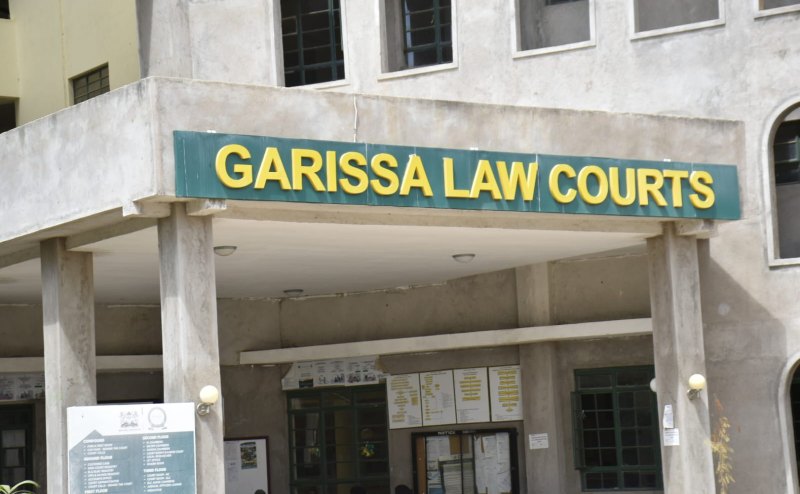
"We must differentiate between thugs, violent people, arsonists, people burning courts, burning businesses and terrorising citizens, and peaceful Kenyans who are undertaking demonstrations," he said.
"We must call them for who they are and separate them from peaceful Kenyans."
The CS noted that the enjoyment of rights must be accompanied by responsibility, adding that demonstrators should also respect the rights and freedoms of others.
"There can be no enjoyment of a right without responsibility. Those who come to enjoy their rights must appreciate that they have a responsibility to protect the rights of others," he said.
Murkomen drew comparisons with other countries, citing study visits to New York and London where authorities have developed mechanisms to facilitate demonstrations while firmly dealing with criminal activities.
He said officials from the New York Police Department and the London Metropolitan Police had emphasised that they do not compromise on criminal conduct during protests.
"If they see even one demonstrator carrying any form of weapon, they take severe action against such individuals," Murkomen said.
He argued that developed nations have succeeded in managing protests because they separate the exercise of rights from criminal activity.
The CS also criticised sections of the media for what he described as language that inadvertently legitimises criminal conduct during demonstrations.
"I find it very insulting that during news reporting, reporters say demonstrators are burning tyres, throwing stones or looting, yet they use constitutional language to describe criminals," he said.
Murkomen further expressed concern over what he termed lenient treatment of suspects accused of violent acts during protests.
He said police officers are often frustrated when suspects arrested over incidents such as attacks on public institutions are released shortly after being arraigned in court.
The Interior CS said all arms of government must work together to safeguard national interests while protecting constitutional rights.