A new twist has emerged in the controversy surrounding the implementation of new transport regulations by the National Transport and Safety Authority.
It has emerged that NTSA bypassed the Senate and moved to enforce rules that lawmakers say have not completed the parliamentary approval process.
The fresh dispute has set the stage for a constitutional showdown, with senators threatening court action to stop the implementation of the regulations.
The regulations provide for mandatory annual inspections of private vehicles, stricter school transport requirements and new operating rules for commercial vehicles.
Despite NTSA announcing the regulations would take effect on July 1, senators insist the legal notices remain contested because the Senate has not voted to approve them.
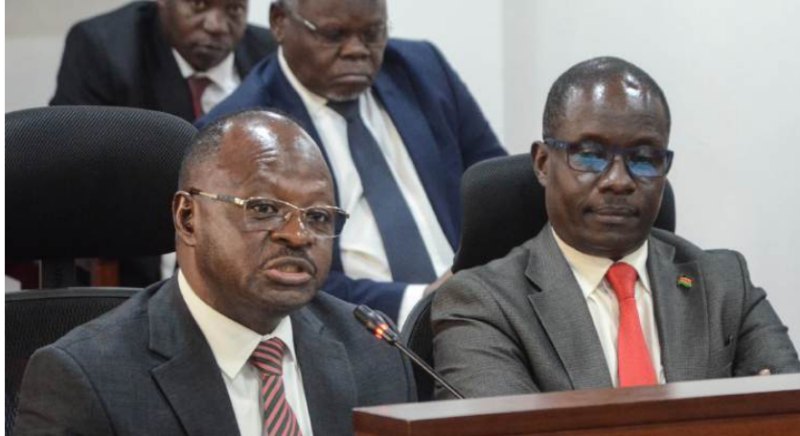
"The Senate has not passed the regulations. Any action the authority is taking is nugatory, null and void," Senate Minority leader Stewart Madzayo said.
The Senate had been expected to vote on the report by its Committee on Delegated Legislation before proceeding on recess two weeks ago.
However, debate on the report was deferred, leaving the fate of the regulations unresolved even as NTSA moved ahead with implementation.
The committee had recommended the annulment of the Traffic (School Transport) Rules, 2026, the Traffic (Motor Vehicle Inspection) Rules, 2026, and the National Transport and Safety Authority (Operation of Commercial Vehicles) Regulations, 2026.
The committee argued the regulations failed to meet legal and constitutional requirements.
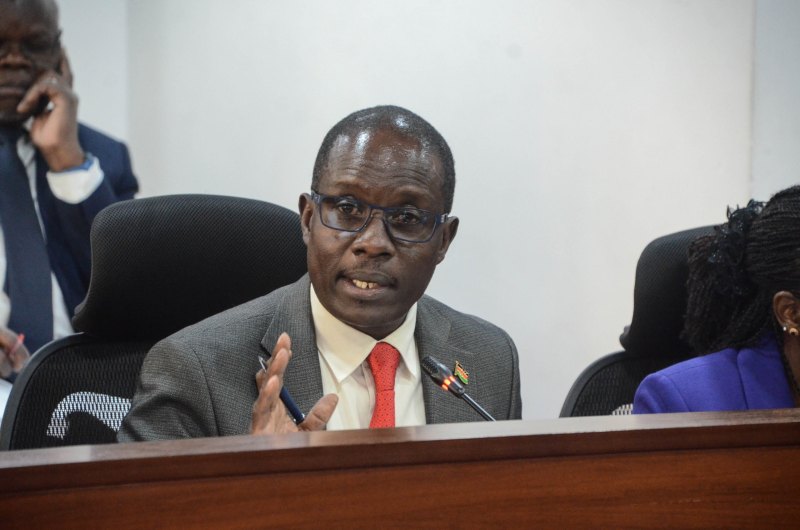
Makueni Senator Dan Maanzo said the Senate still has powers under the Statutory Instruments Act to recall the regulations despite their implementation.
"We will recall the regulations. We cannot allow Kenyans to suffer and be forced to dig deeper into their pockets," Maanzo said.
Kakamega Senator Boni Khalwale urged the Senate leadership to move to court, arguing that NTSA had overlooked the constitutional role of the Senate in scrutinising regulations affecting counties.
"The Senate has the power to consider regulations that concern counties. National transport concerns counties, and there is no way NTSA can escape the Senate," he said.
The senators argue that the authority's actions mirror the circumstances that led the High Court in 2020 to nullify 24 pieces of legislation.
This followed a finding the laws had been enacted without the participation of the Senate, despite affecting county governments.
While presenting the committee's report, Tana River Senator Danson Mungatana said lawmakers found the regulations punitive, impractical and incapable of being implemented within the timelines set by NTSA.
He particularly criticised the new school transport rules, which require school buses to instal mechanical stop signal arms, reflectorised safety markings, telematics systems and surveillance cameras by July 1.
"We see this as a rent-seeking opportunity. If these regulations are allowed to stand, schools will be forced to spend huge amounts of money within an impossible timeline," Mungatana said.
He also opposed additional licensing requirements for school buses, arguing that similar provisions already exist under Ministry of Education regulations.
The committee further rejected the proposed annual inspection of private vehicles, saying Kenya lacks sufficient inspection centres to accommodate millions of motorists.
Mungatana warned the requirement would expose motorists to unnecessary costs, long queues and possible harassment for failing to obtain annual inspection certificates.
"We do not have enough inspection centres in this country. Kenyans will be forced to queue, pay inspection fees and risk arrest if they do not have inspection stickers," he said.
The senators also faulted NTSA for seeking powers to appoint private inspectors without sufficient legal safeguards and accused the authority of ignoring requests to withdraw and republish the regulations.
Maanzo said the committee found that NTSA had failed to conduct meaningful public participation, claiming consultations held in 2024 excluded key stakeholders such as private school operators and vehicle owners.
"They have not followed the law and failed to conduct proper public participation. They were hoping July 1 would come and the regulations would automatically take effect," he said.
Narok Senator Ledama Olekina criticised NTSA for copying transport systems from other countries without adapting them to Kenya's realities.
He cited the requirement for mechanical stop arms on school buses, saying it had been borrowed from the United States without considering local road conditions, public awareness or implementation capacity.
"We have a business of copy and paste. We benchmark elsewhere and expect Kenyans to implement foreign systems overnight," Olekina said.
He warned that mandatory annual inspections could create opportunities for corruption while increasing the cost of owning motor vehicles.
INSTANT ANALYSIS
The standoff exposes a deeper constitutional dispute over the limits of delegated legislation and Parliament's oversight of executive agencies. While NTSA argues that the regulations are necessary to improve road safety, senators contend that the rules impose significant financial burdens without adequate public participation or sufficient implementation capacity. The dispute could end up in court, potentially delaying enforcement and setting another precedent on the Senate's role in scrutinising statutory instruments affecting counties. The outcome will shape future relations between Parliament and regulatory agencies.

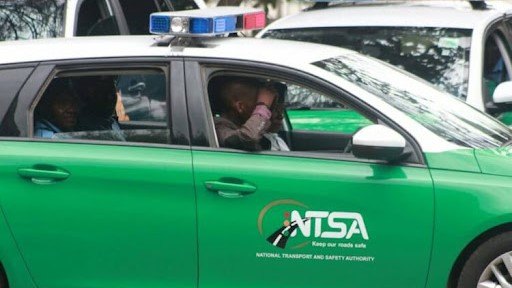
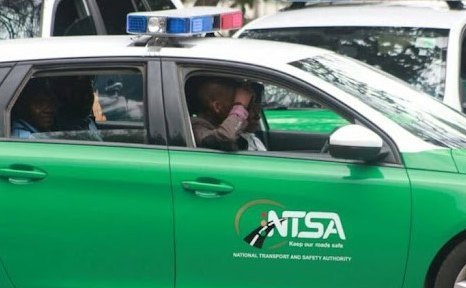
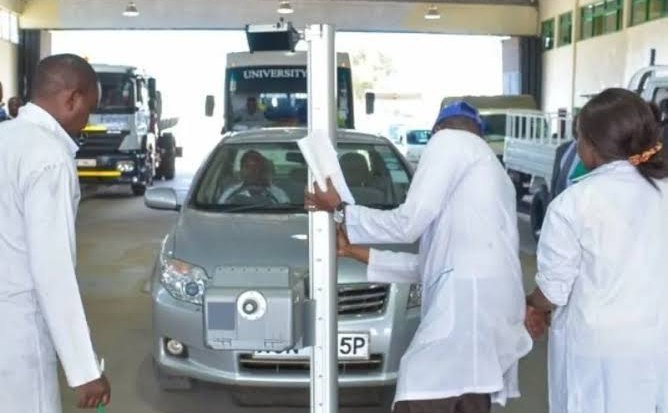 NTSA officers inspect a vehicle /NTSA


![[PHOTOS] The new Ngong –Naivasha Road viaduct](https://cdn.radioafrica.digital/image/2026/06/64d4f771-4432-4aee-ba3c-2f304c4436ec.jpg)