Ruto emerges top choice for President in new poll
The survey, released on Monday, showed Ruto leading the race.
5h agoCHRISTABEL ADHIAMBONews
"The house was built by the British people 60 years ago. You want to tell us that 60 years later we have no ideas on how to make it better?"


Audio By Vocalize
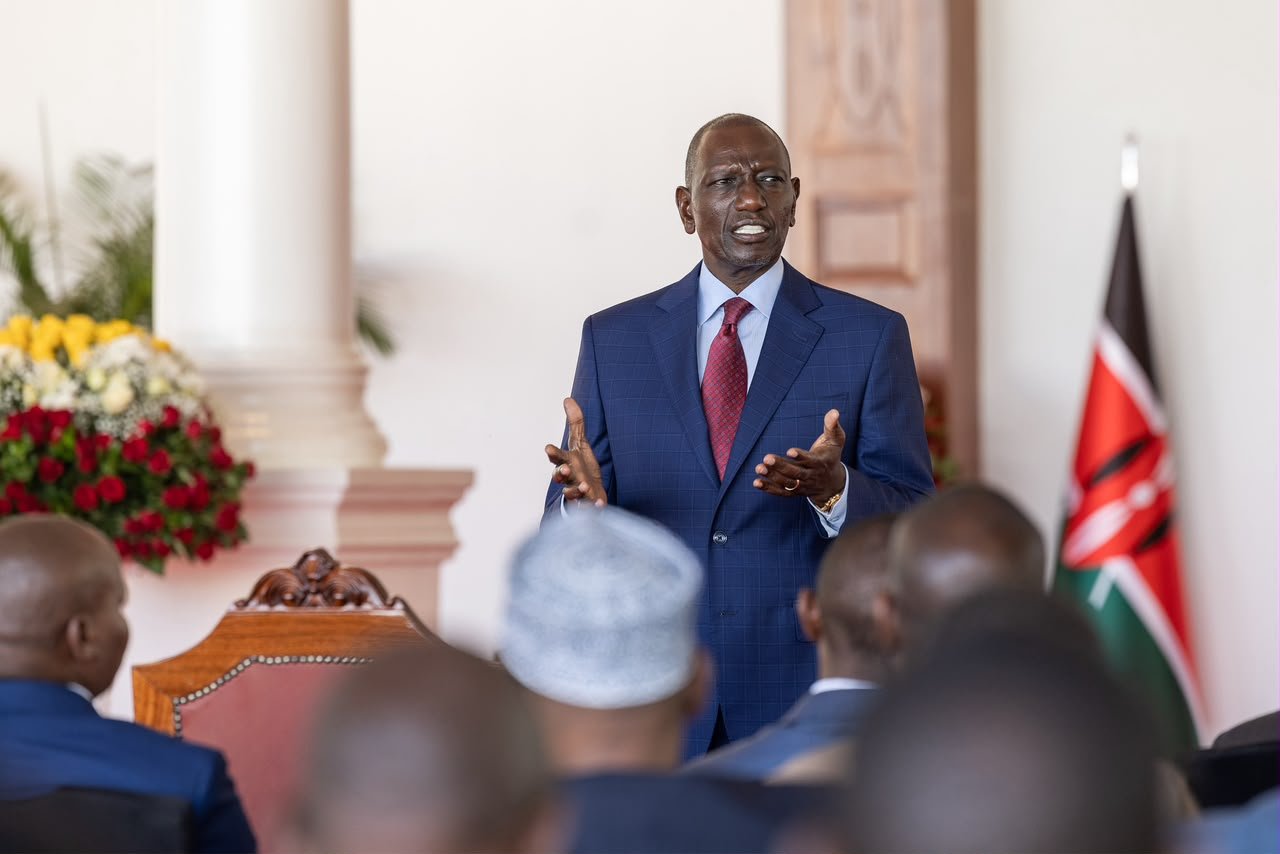
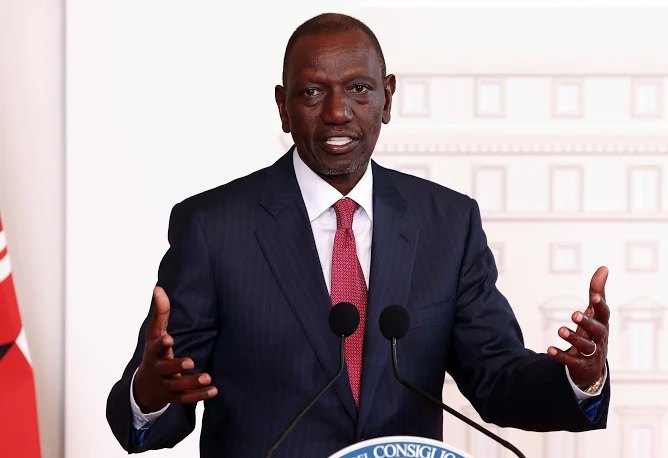
President William Ruto has defended the ongoing renovations at State House, saying the improvements are meant to preserve one of Kenya's most important national buildings rather than serve his personal interests.
Speaking on Monday, Ruto said State House is a national institution that belongs to the Republic of Kenya and should be maintained for future generations.
"This is not my building. This is not my house. This is not my office. This is the address of the Republic of Kenya, and it is here for posterity," he said.
The President said some of the buildings within the State House complex had fallen into disrepair before the renovation works began.
According to Ruto, one section of the complex had leaking roofs while some facilities, including toilets, were no longer functioning properly.
He said the main State House building was originally constructed by the British more than 60 years ago and questioned why the country should not modernise and improve the facility.
"The house was built by the British people 60 years ago. You want to tell us that 60 years later we have no ideas on how to make it better? So we are improving," he said.
Ruto maintained that the works go beyond refurbishing the official residence of the Head of State, arguing that they reflect a broader commitment to improving the country.
"We are not just improving this building here. We are not improving the State House. We are improving the country," he said.
The Nairobi State House has been undergoing extensive renovations since late 2023, marking the most significant facelift of the historic building in decades.
The works have seen the iconic structure adopt a modern flat-roof design, replacing the traditional red-tiled roof that had defined the building for many years.
Originally designed by British architect Herbert Baker in early 19s as government House during the colonial period, the building became State House after Kenya attained independence and has since served as the official residence and office of the President.
The renovations have attracted public debate since they began, with some Kenyans questioning the timing and necessity of the upgrades.
In May, Ruto defended the project while hosting religious leaders at State House, saying he found parts of the complex in poor condition when he assumed office.
At the time, he joked that State House had resembled a "juakali" setup, claiming some sections leaked whenever it rained and required constant repairs.
He also defended the construction of a chapel within the State House compound, saying it would serve employees working there and insisting it would be funded by him and his friends rather than public money.
Earlier this year, the President also defended his decision to regularly host ordinary Kenyans at State House, saying the official residence should not only be reserved for visiting heads of state, diplomats and senior government officials.
He argued that opening its doors to wananchi had elevated, rather than diminished, the status of the presidency by bringing citizens closer to the country's highest office.
The survey, released on Monday, showed Ruto leading the race.