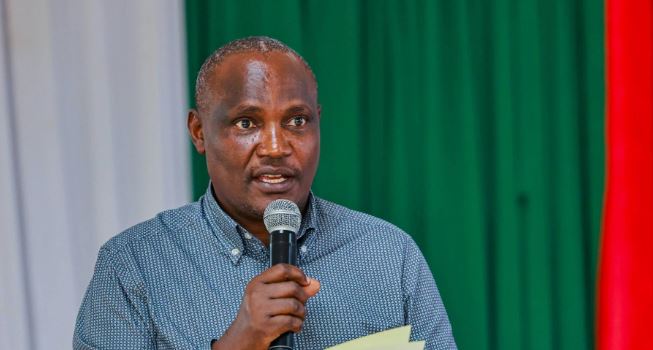
National Treasury Cabinet Secretary John Mbadi
on Monday, May 11, published a schedule for public participation to validate
the Finance Bill 2026-27.
The Bill proposes a Sh4.8
trillion budget. The schedule outlines the dates and venues for these events
across the counties and eventually in Nairobi.
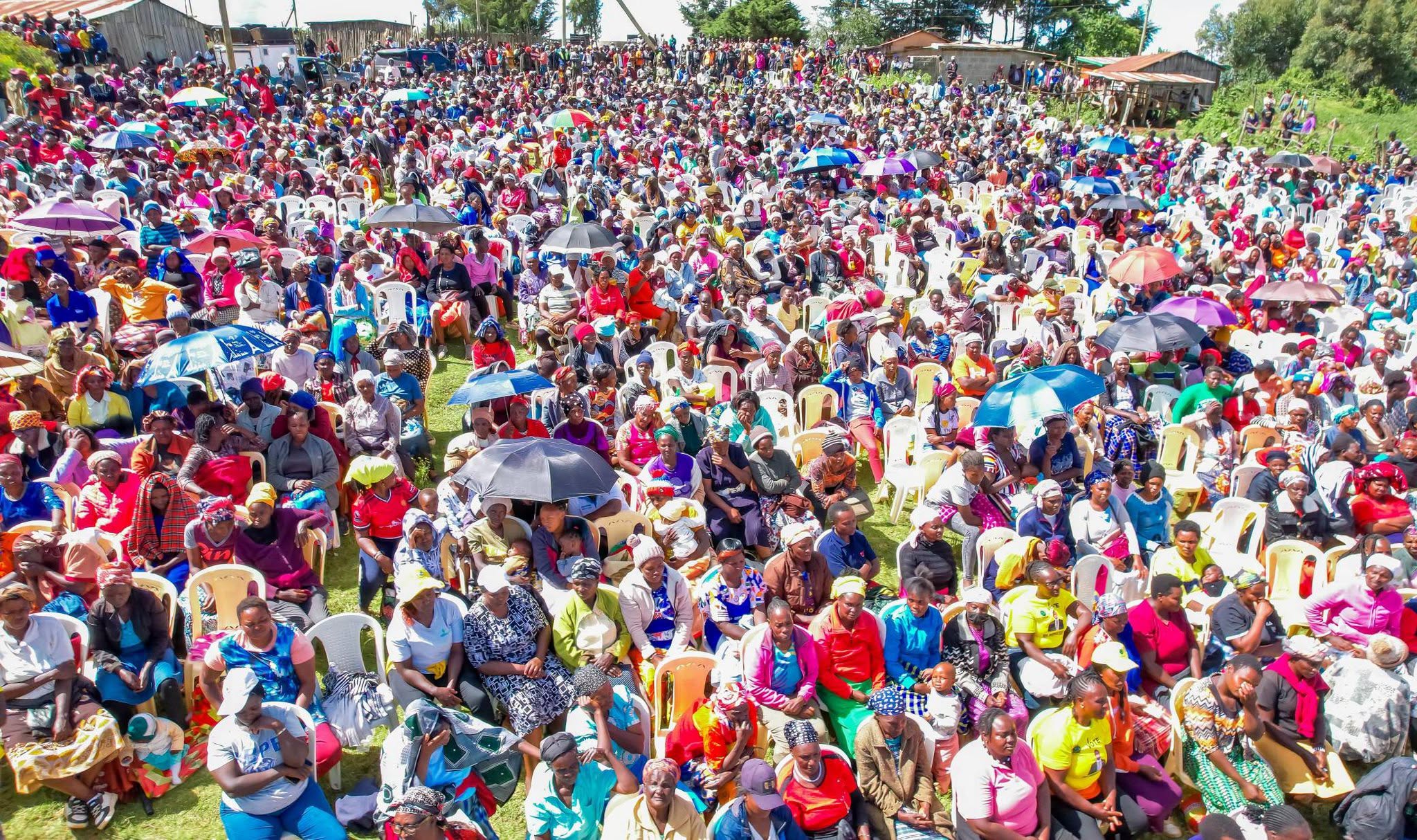
Public participation is the process through
which organisations and
governments involve individuals, stakeholders and communities in
decision-making to influence outcomes that affect their lives.
It is a
fundamental democratic right that allows citizens to provide input on policies,
projects and laws, thereby ensuring transparency and accountability.
The main
objective is to ensure that community concerns and values are incorporated into
final decisions. Its core principles include sharing information, consulting
the public, collaborating and empowering citizens in decision-making.
It is a
process, not merely an event and may involve attending public hearings, signing
petitions, responding to surveys or engaging in public discussions.
However, before the ink on the Gazette Notice
has even dried, drumbeats against the Bill are already growing louder. The
antagonists are seeking to capitalise on the upheavals of the 2024 Gen Z revolts to make political
statements.
What may ultimately be lost in the process is the value of public
input into a constitutional government duty. Political and civil society
activists may score short-term political points without advancing any strategic
national development agenda.
Kenyans, whether as individual citizens or
through membership organisations,
should take advantage of the many progressive provisions of the 2010
Constitution and undertake their civic duties more seriously.
The forums
organised by the National Treasury provide an opportunity to suggest
alternative approaches to resource mobilisation for national development.
The leadership of various
non-state actors should be proactive in guiding objective deliberations on the
published proposals. This would help champion and promote the public good.
In democratic practice, political parties and
civil society organisations
play a critical role in citizen sensitisation. A political party is an organised group of people who share similar
political beliefs, ideologies and goals, and who seek to gain and exercise
power within government by getting their candidates elected to office.
Political parties act as crucial intermediaries between citizens and the state
by formulating policies and structuring political competition. They encourage
public participation in democratic processes such as voting and attending public
meetings.
They also support public policy formulation through manifestos and
platforms that outline proposed solutions to societal problems, thereby
providing voters with clear choices.
In this way, they bridge the gap between
citizens and government by articulating the needs and concerns of different
groups in society. By organising
political options, parties ensure that citizens become active participants in
shaping their future rather than passive observers of governance.
In Kenya, the political party system is
divided into two broad camps. Although the country is legally multiparty, the
main dichotomy is between the ruling party and the opposition.
The ruling party
commands the majority in Parliament, while the opposition comprises the
minority together with parties that are not in coalition or association with
the ruling side.
The ruling party, in Kenya’s case the United Democratic Alliance, must scrutinise the proposed Finance Bill
to ensure that the budget aligns with its development agenda.
The party made
promises to citizens during the 2022 general election campaign and the current
government development strategy is guided by the Bottom-Up Economic
Transformation Agenda.
Those pledges can only be implemented through public
financing. Public financing, in turn, can only be achieved through the
appropriation of public funds generated by taxes and public debt.
The
government, through the National Treasury, proposes revenue generation
strategies that must be approved by Parliament. Before Parliament considers the
proposals, the law requires that the public first provide its input.
The debate in Parliament will be led by the Majority side, with responses
from the opposition. The opposition, as led by the Minority side, should be keenly interested in
public participation to ensure that the proposed fiscal policy serves the
public good rather than exclusive partisan interests.
At the public forums and
on the floor of Parliament, the opposition should ensure that the ruling party
does not pursue strategies that promote skewed allocation of national
resources.
By advancing justifiable grounds while placing public interest at
the forefront, political parties can strike a balance that results in a
sustainable and balanced budget. Other state organs, constitutional commissions
and ministries must also continue using these events to justify and rationalise their budget proposals.
Civil society organisations are non-governmental, non-profit
and voluntary entities that operate independently from the state and the market
to serve social, cultural or humanitarian goals. They act as voices for
marginalised
communities and advocate for causes such as human rights, environmental
protection and policy change.
They also serve as watchdogs for accountability,
provide essential community services and advocate for rights through NGOs,
unions and faith-based organisations.
CSOs promote public participation in democratic processes by encouraging
citizens to become involved in local planning and decision-making. They achieve
this by monitoring government actions, policies and expenditures to ensure
accountability, transparency and the protection of human rights.
Most significantly, CSOs often contribute to
the development of national policies by providing evidence-based research,
expertise and field-level perspectives.
They should therefore leverage these
strengths and actively engage in the planned public participation events. In
doing so, they would be better positioned to influence the eventual Bill that
will be presented to Parliament for approval. This would be a far more
constructive strategy than organising overt or covert activities aimed at sabotaging the budget
process.
As key national stakeholders, CSOs have a crucial role in fostering
trust, cooperation and community solidarity, thereby serving as an important
pillar of social infrastructure.
Historically, one of the major disincentives
to public participation has been the reluctance of lead agencies to incorporate
divergent opinions. Since the 2010 Constitution requires every major government
decision to undergo this process, state agencies often conduct the exercise as
a routine obligation.
This has made the public skeptical about both the
sincerity and usefulness of the process. Consequently, many public participation
events on major decisions are largely ignored by citizens. This is
counterproductive for both government and the public.
CS Mbadi broke with tradition and set a
precedent during his first national budget preparation last year. He
spearheaded the public participation process by personally engaging informal
civic movements such as Bunge la Mwananchi. He should therefore deepen that
engagement this time by intensifying and expanding the scope of public
participation.
While presenting the proposed fiscal policy, he indicated that
some provisions, including the taxation of second-hand clothes, were informed
by stakeholder responses. While sectoral interests should certainly be
considered, the overarching national interest must prevail.
Every sector has
two sides: suppliers and consumers. Each side makes a strategic contribution to
national development and therefore deserves both promotion and protection.
The
National Treasury must therefore avoid treating the current public
participation exercise as a public relations campaign or merely a
constitutional box-ticking exercise. Similarly, the political opposition and
civil society must discard cynicism and avoid leading the public into
pessimism.
Instead, they should inspire nationalistic fervour and promote
constructive engagement among all stakeholders for the benefit of citizens.
Calls for public protests against proposals that have not yet been discussed
can only amount to incitement to unnecessary civil disobedience.
Every
stakeholder must therefore play their respective role responsibly.