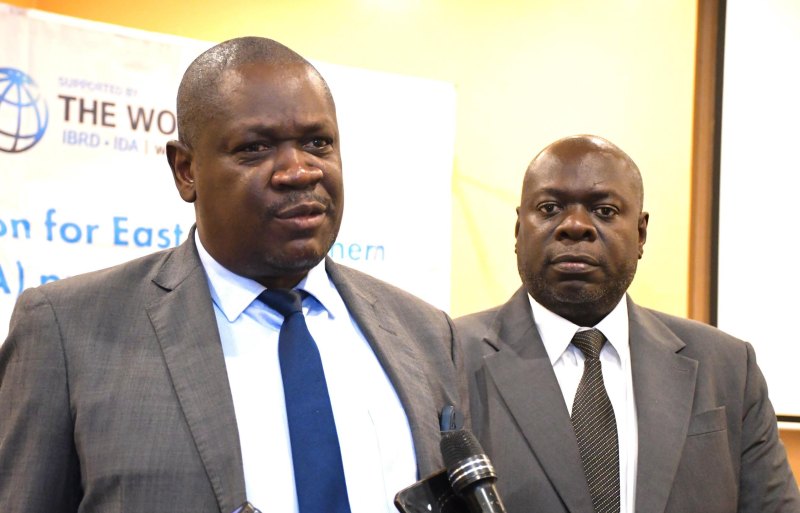


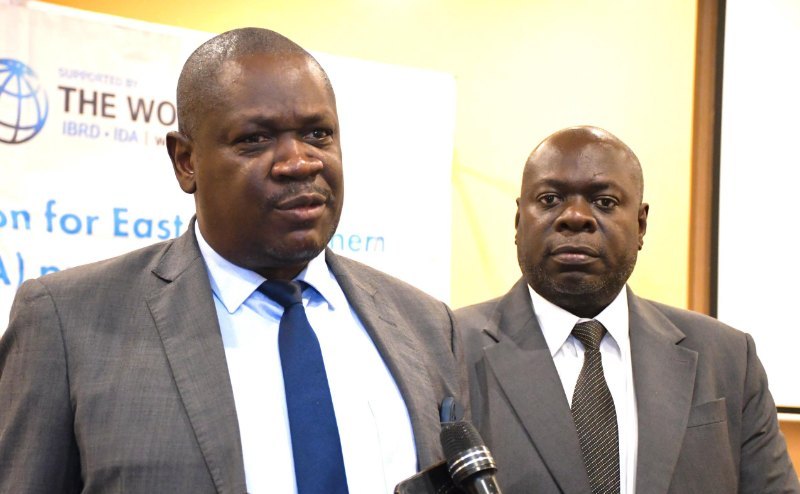
 Timothy Were, Director of ICT at Kenya's State Department for Trade, and Leonard Chitundu, Telecommunications Officer at COMESA during a media briefing at a stakeholder's consultative meeting in NaNairobi. GATHA NGOTHO.
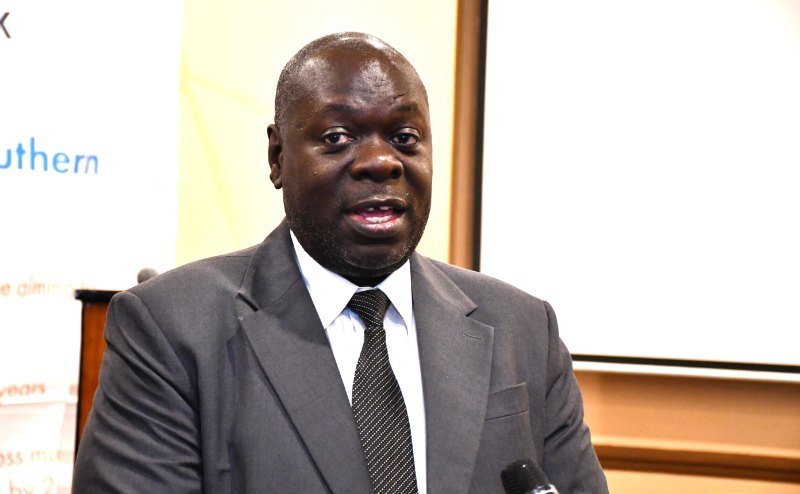 Leonard Chitundu, Telecommunications Officer, COMESA./AGATHA NGOTHO.
The Common Market for Eastern and Southern Africa (COMESA) has launched consultations with member states to develop harmonised policies on artificial intelligence (AI) and digital inclusion. This is aimed at unlocking the benefits of emerging technologies while preventing new forms of inequality.
Under the Inclusive Digitalisation in Eastern and Southern Africa (IDEA) Programme, government officials, policymakers, regulators, private sector players and development partners will come together to shape regional frameworks that reflect national priorities and experiences.
Speaking during the stakeholder consultative meeting in Nairobi, COMESA ICT and Telecommunications Officer Leonard Chitundu said the forum marks the beginning of an inclusive process to ensure regional digital policies are informed by the realities on the ground across member states.
"This consultation represents the first structured engagement with national stakeholders. It is the beginning of an inclusive process that will ensure regional digital policy frameworks are informed by country experiences, national priorities and stakeholder perspectives," said Chitundu.
He noted that Kenya has positioned itself as a regional leader in digital innovation through its pioneering mobile money services, digital financial systems, e-government platforms and vibrant innovation ecosystem.
"Kenya's experience in digital financial services demonstrates how technology can drive inclusion and expand economic opportunities, offering valuable lessons for regional digital transformation," he said.
According to Chitundu, the World Bank-supported IDEA Programme at a tune of approximately Sh1.3 billion (USD 10 million), seeks to bridge digital divides by expanding access to digital services, strengthening digital public infrastructure, improving regulatory environments and promoting regional integration across Eastern and Southern Africa.
He said artificial intelligence and other emerging technologies present enormous opportunities to transform economies by improving public services, increasing productivity, stimulating innovation, strengthening healthcare systems, modernising agriculture, improving education outcomes and accelerating trade and economic growth.
"Artificial intelligence has the potential to transform every sector of our economies. However, it also raises important governance, ethical, legal and regulatory issues that require a coordinated regional response," he said.
Chitundu cautioned that AI systems must be developed responsibly to ensure they do not reinforce existing inequalities or create new forms of exclusion.
"Inclusive AI governance should promote fairness, transparency, accessibility and equitable access to AI-enabled opportunities. The benefits of digital transformation can only be fully realised when every citizen has an equal opportunity to access and use digital technologies," he added.
He said digital inclusion remains a central pillar of both the IDEA Programme and COMESA's broader regional integration agenda.
"Our vision is a digitally inclusive region where citizens, regardless of gender, age, disability, geographic location, income or social background, can access affordable, safe and meaningful digital opportunities that improve livelihoods, expand economic participation and support sustainable development," he said.
Chitundu urged participants to explore how successful digital innovations from countries such as Kenya could be adapted and scaled across the region to reduce digital inequalities.
The two-day consultation meeting focused on artificial intelligence and emerging technologies, with discussions aimed at assessing countries' readiness, identifying opportunities and challenges, and gathering stakeholder views that will inform regional AI policies and regulatory frameworks.
It also sought to identify digitally excluded groups, examine barriers limiting access to digital services and develop practical recommendations to support inclusive participation in the digital economy.
"We recognise that our member states are at different stages of digital maturity, AI readiness and digital inclusion. These consultations will help us develop evidence-based regional strategies that respond to those different realities," Chitundu said.
Timothy Were, Director of ICT at the State Department for Trade said digital technologies and artificial intelligence are becoming major drivers of economic transformation, industrial competitiveness, trade facilitation and inclusive growth.
He said Kenya has made significant progress in creating an enabling environment for AI through investments in digital infrastructure, research, innovation and data governance.
"The government has developed the National Artificial Intelligence Strategy 2025-2030 to guide the responsible development and adoption of AI across key sectors of the economy," said Were.
He pointed out that the benefits of AI would only be realised if digital technologies are accessible to all citizens.
"Digital inclusion remains central to our national development agenda. This requires deliberate efforts to address persistent challenges such as internet connectivity, affordability of digital devices and access to broadband services," he said.
Were called for the development of harmonised regional AI policies that promote ethical, secure and responsible use of emerging technologies.
He urged COMESA member states to ensure that the regional digital inclusion action plan and AI regulatory frameworks are evidence-based and responsive to the needs of women, young people, persons with disabilities and rural communities.
Reaffirming Kenya's commitment to regional cooperation, Were said stronger partnerships would enable COMESA countries to harness AI for sustainable development.
"Through strengthened regional cooperation, harmonised policies and shared innovation, we can unlock the immense potential of artificial intelligence to accelerate trade, attract investment, promote industrialisation and drive sustainable socio-economic development across the COMESA region," he said.
![[PHOTOS] The new Ngong –Naivasha Road viaduct](https://cdn.radioafrica.digital/image/2026/06/64d4f771-4432-4aee-ba3c-2f304c4436ec.jpg)